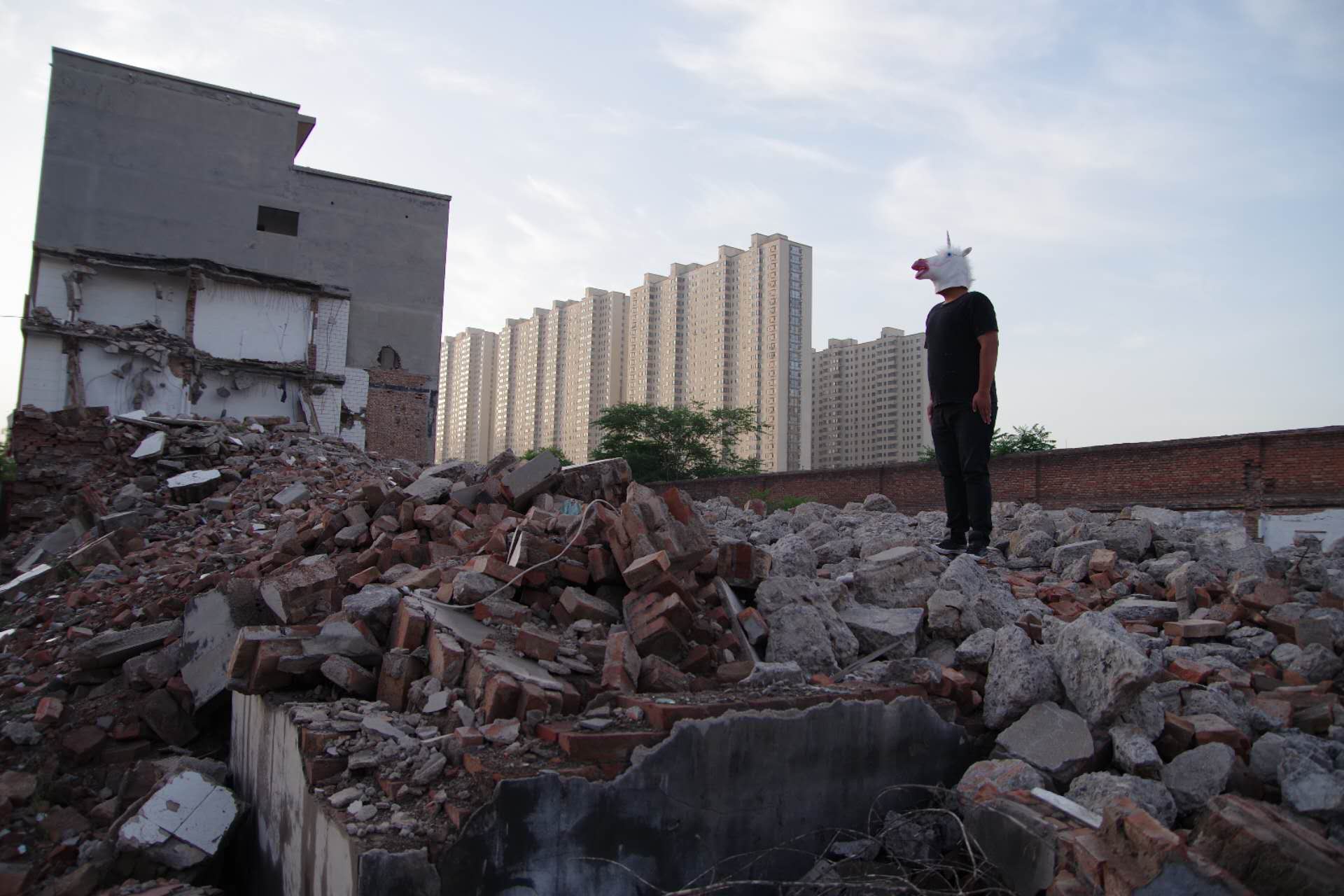
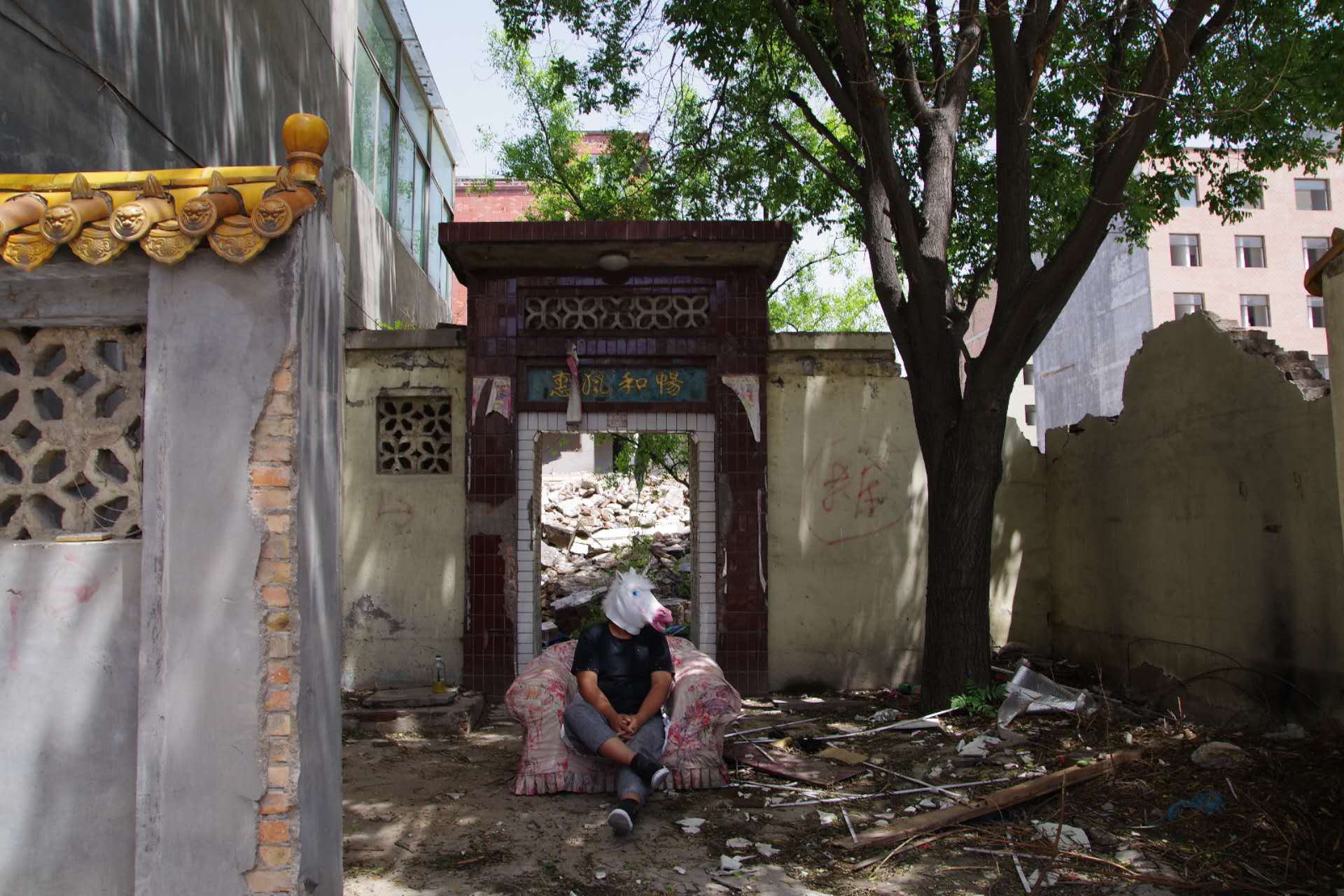
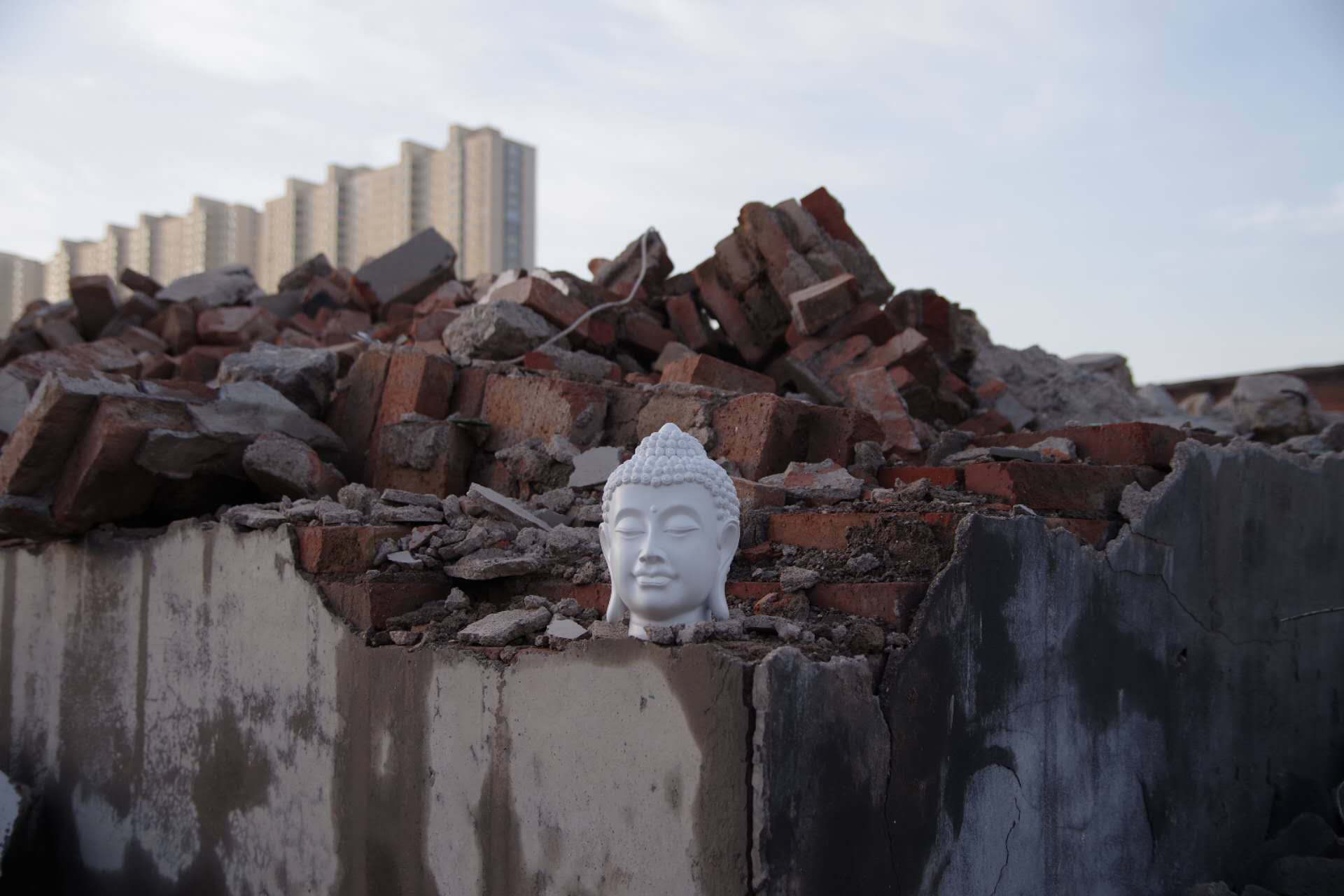
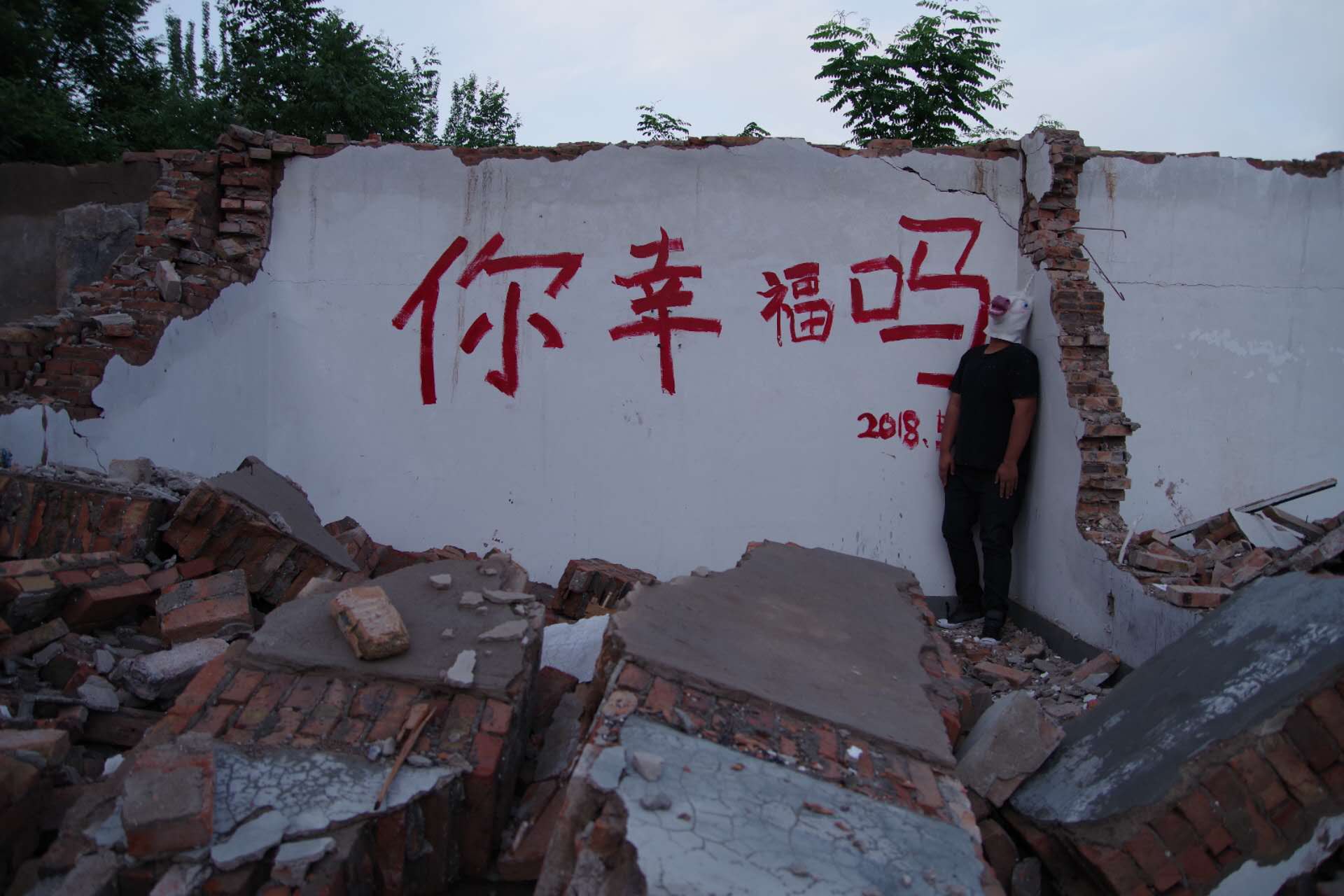
I lived in Happiness Hill for over ten years. Happiness Hill is one of countless ordinary villages in China. According to China’s 2015 Urban Development Plan, all “urban villages” were slated for demolition. Happiness Hill had 800 households, but the demolition process was fraught with issues: unfair compensation, corruption and bribery, violent evictions, and even bloodshed and tragedies. Bonds of family and friendship collapsed overnight in the face of financial interests, and pain and conflict became the norm. Countless disputes, coupled with the traditional attachment to one’s homeland, diluted any joy that might have come from moving to new homes. From the moment their homes were torn down, the people of Happiness Hill ceased to be happy.
This contradiction calls to mind the Stanford Prison Experiment conducted by American psychologist Philip Zimbardo. In that experiment, the specific environment of the prison gradually transformed the volunteers playing the roles of guards and prisoners, ultimately leading to a loss of control. In the specific context of demolition, how do people’s thoughts and behaviors undergo similar changes? In daily life, familiar identities—such as the bad father, the good mayor, the moral exemplar, the lazy employee, the overweight neighbor, the feminist, or the nut allergy sufferer—are instantly reconstructed as demolishers and the demolished. These two opposing roles reflect a unified conflict: demolishers represent the government and collective interests, while the demolished represent individual interests. Under the intense pressure of the demolition environment, conflicts of interest—or even conflicts within the same individual—break free from the constraints of moral and emotional ties. This dynamic gives rise to what Zimbardo terms the “Lucifer Effect,” where tragedies and violence become possible. Familiar identity perceptions are replaced by new roles imposed by the situation.
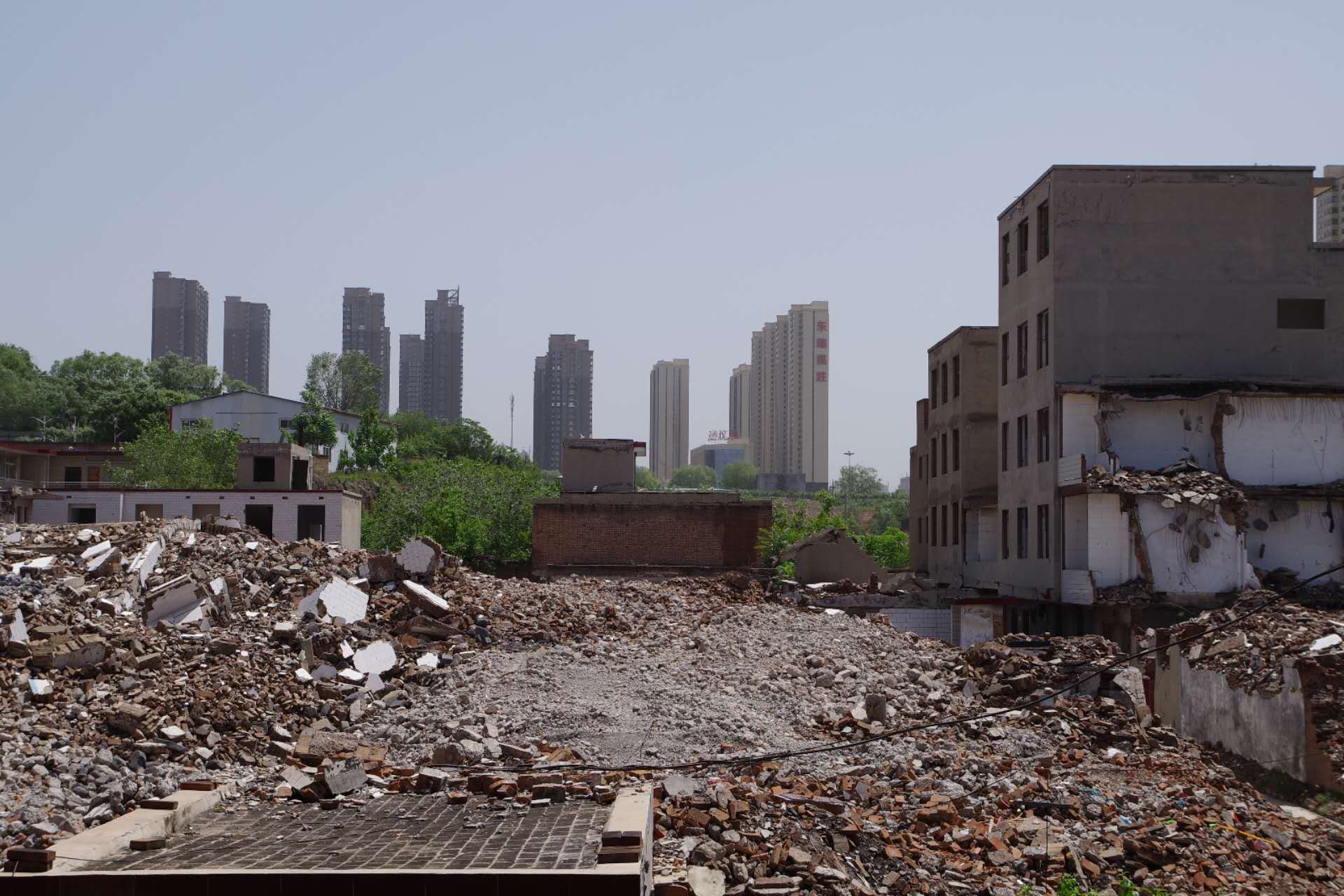
And what about me? When I returned to this place where I had lived for 19 years, I was confronted with a landscape both familiar and alien: skyscrapers rising from the ruins, cracks and fissures everywhere, and sunlight glaring sharply off shattered glass. The demolition team’s military trucks and police vehicles loomed menacingly, symbols of authoritarian power parading through the wreckage. Following the directions on a road sign labeled “Happiness Road,” I tried to find my way forward but was instead dragged into a dark room by former clan relatives—now leaders of the demolition team. They illegally detained me, deleted my photos, and sought to suppress any documentation. I narrowly escaped, retaining some records, but others, such as investigative journalists and petitioners, were not so lucky. They were detained, beaten, and some even met violent deaths. Their ghostly presences occasionally surfaced in village gossip, haunting conversations with their absence.
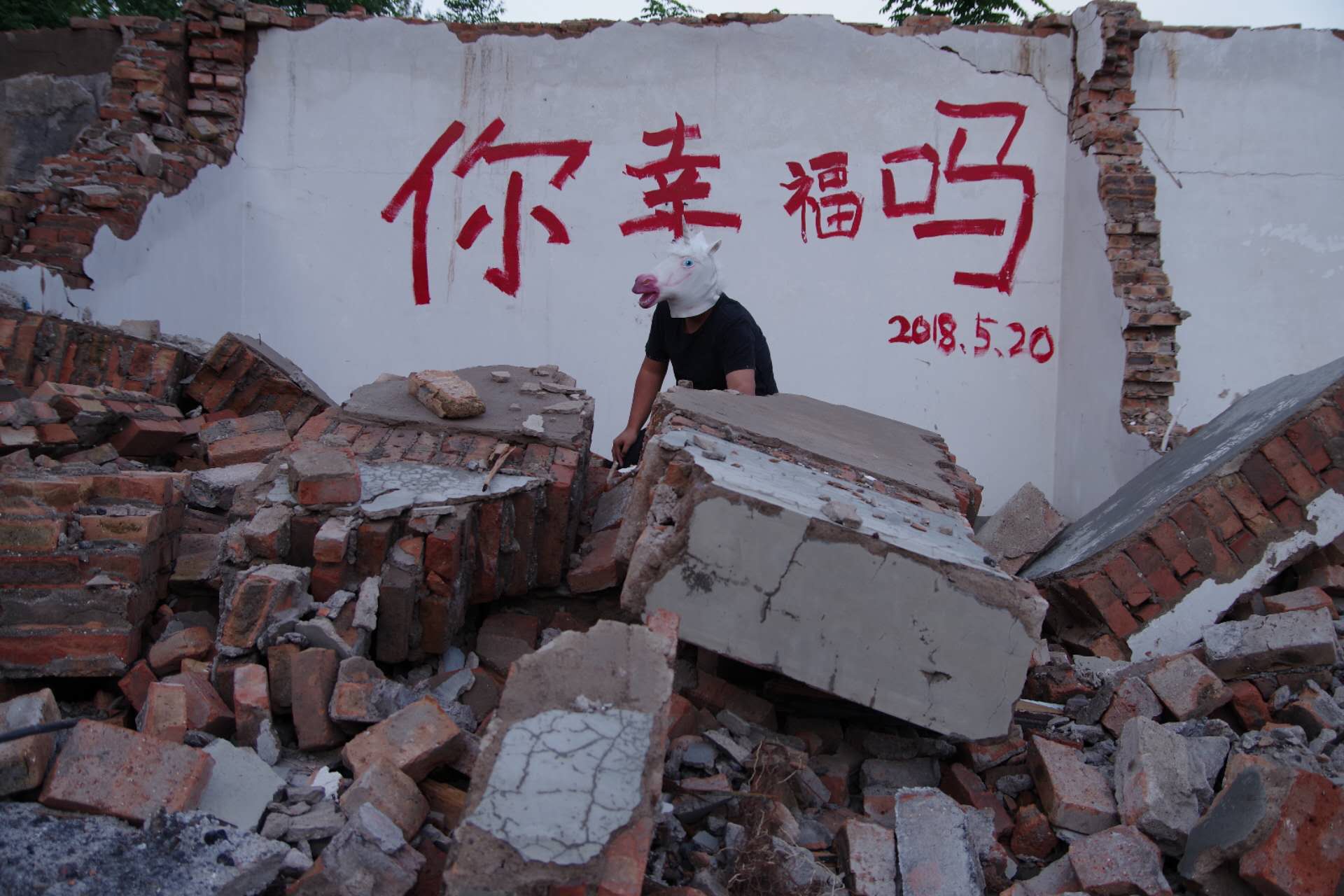
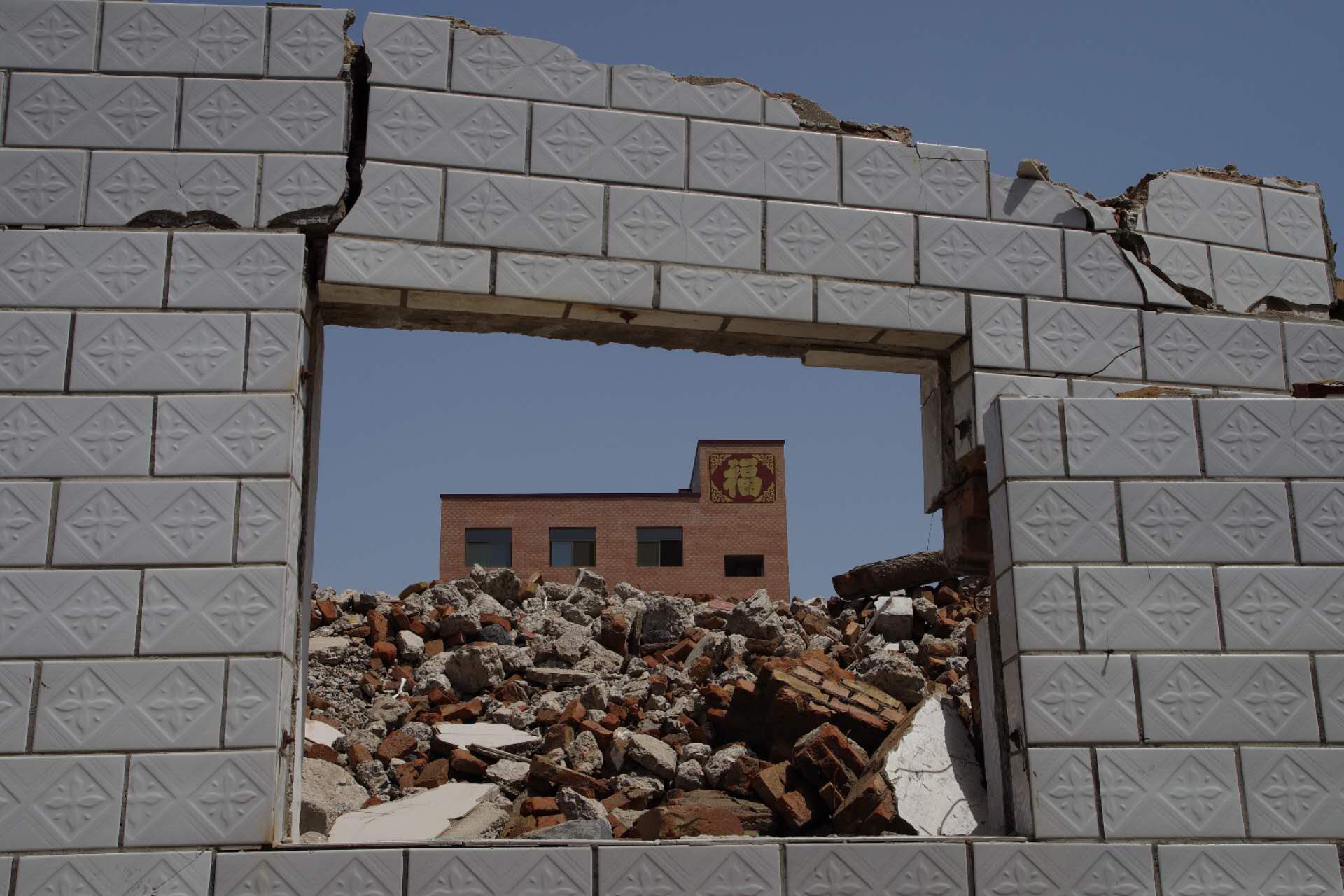
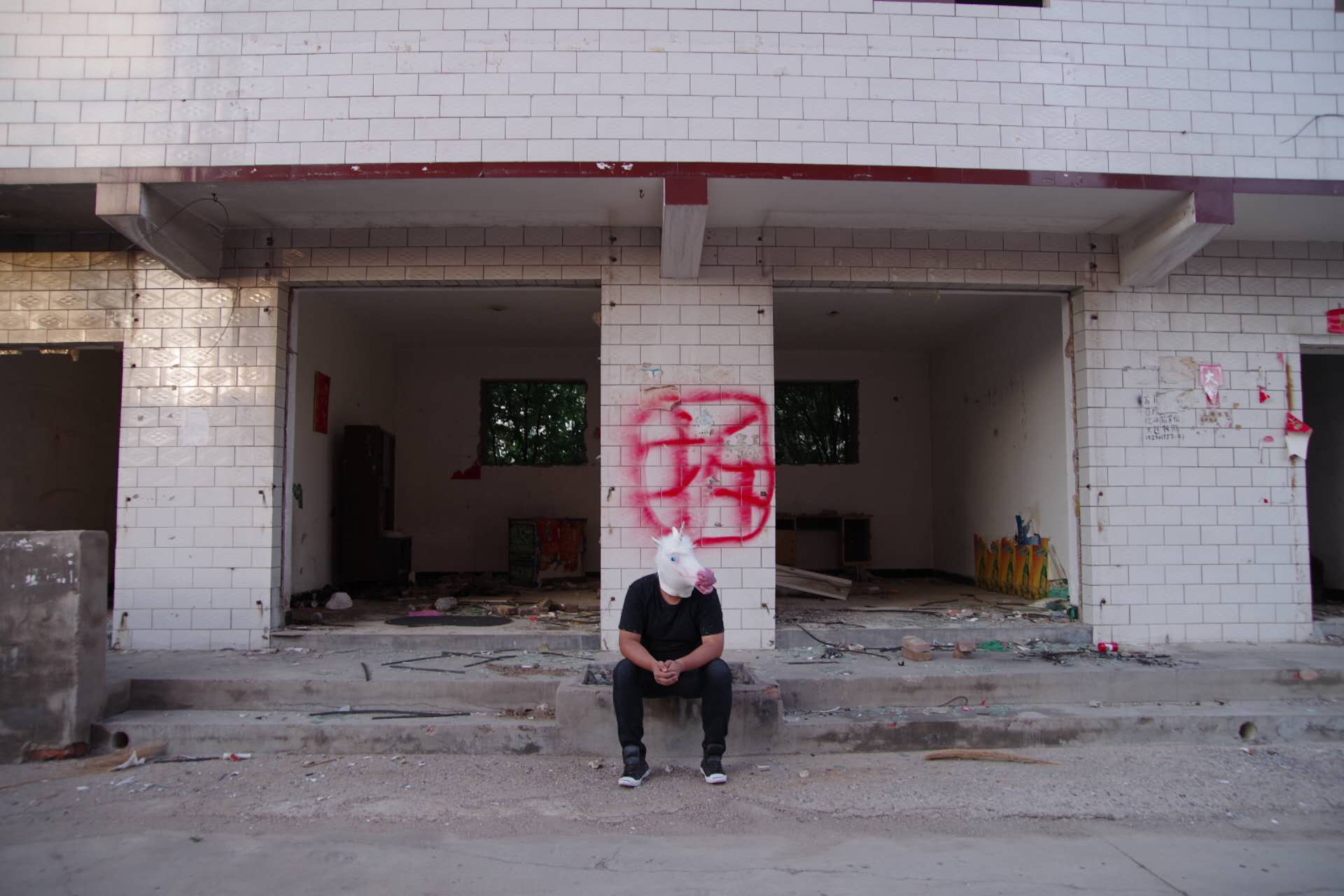
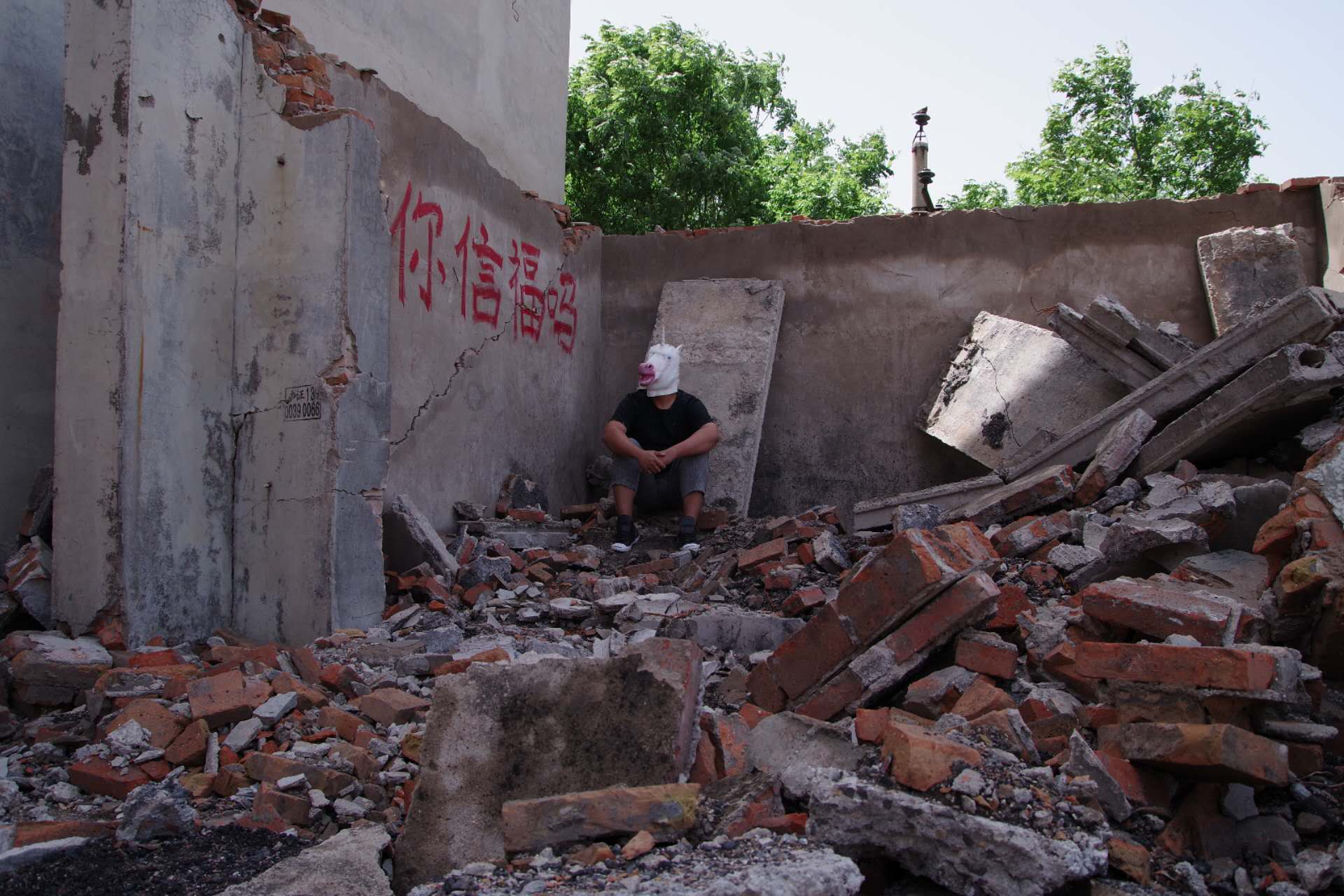
In this context of demolition, contradictions were born alongside me. I stood amidst the crowds, face to face with “enemies,” trying to position myself as an observer, a recorder. Yet, I was not a qualified recorder. I failed to fully capture the depth of suffering or the struggles of resistance, nor could I document freedom or courage in their entirety. Symbols and fragments of the past lingered in my memory: the bright red “Fu” character caught between the fissures of a broken windowpane, the impassioned shouts beneath a crumbling wall, the unicorn on the childhood sofa where we played hide and seek, now echoing in the hopeful graffiti of a condemned building marked with a red demolition circle. And above all, the piercing question painted in bold red characters: “Are you happy?”
In the heightened tension of this environment, I felt acutely the helplessness of individuals confronting systemic power, as well as my own inner conflict and division. Michel Foucault argues that power is not merely a form of overt violence but permeates through norms and disciplines every facet of social relations. In the context of demolition, individual identities were thoroughly reconstructed, resulting in what I would call “disciplinary fragmentation”—where familiar ethics and emotions were displaced by a cold logic of interests. At the same time, the environment revealed the profound interplay between individuals and the systems that shape them: a tension between resistance to oppression and the search for dignity. And yet, amidst these contradictions, I remain unable to reconcile with myself.