The inspiration for the art project Mask, Me originates from the cultural flourishing period following China’s reform and opening-up policy. During this time, China imported a vast number of outstanding books and audiovisual works from abroad, particularly Japanese anime and tokusatsu productions. These cultural products not only enriched public aesthetic experiences but also shaped the collective memories of a generation. I grew up in the late 1990s, at the tail end of this cultural boom. At that time, Ultraman Tiga was my heroic idol, a “giant of light” symbolizing justice and strength. Even among younger generations, Ultraman retains an unparalleled and irreplaceable status. However, in 2021, Ultraman Tiga was removed from major streaming platforms in China due to controversies over its alleged “violent content.” This event not only sparked widespread reflection on the dissemination of cultural products but also prompted me to delve deeply into the cultural symbol of “masks.”
In Japanese tokusatsu and anime, masks serve not only as narrative symbols but also as central mediators in a character’s transformation from an ordinary individual to a heroic identity. From the tangible designs of Kamen Rider to the metaphorical narratives of Godzilla and the cross-cultural phenomenon of Venetian masks, “masks” across different cultures reveal the complex tensions between individual identity and societal expectations. However, beyond their physical forms, masks in modern society have evolved into “virtual masks” that are integral to everyone’s identity. As Carl Jung’s concept of the persona suggests, the masks individuals wear to conform to social norms and meet external expectations are both tools of socialization and signs of self-concealment. Over time, these masks often become inseparable from one’s identity, leading to an estrangement from the authentic self. Michel Foucault’s analysis in Discipline and Punish further reveals how modern society disciplines and molds individuals, with masks serving as cultural metaphors for this disciplinary process. Only by confronting these hidden aspects of the self can one reclaim the vitality and wholeness of their existence.
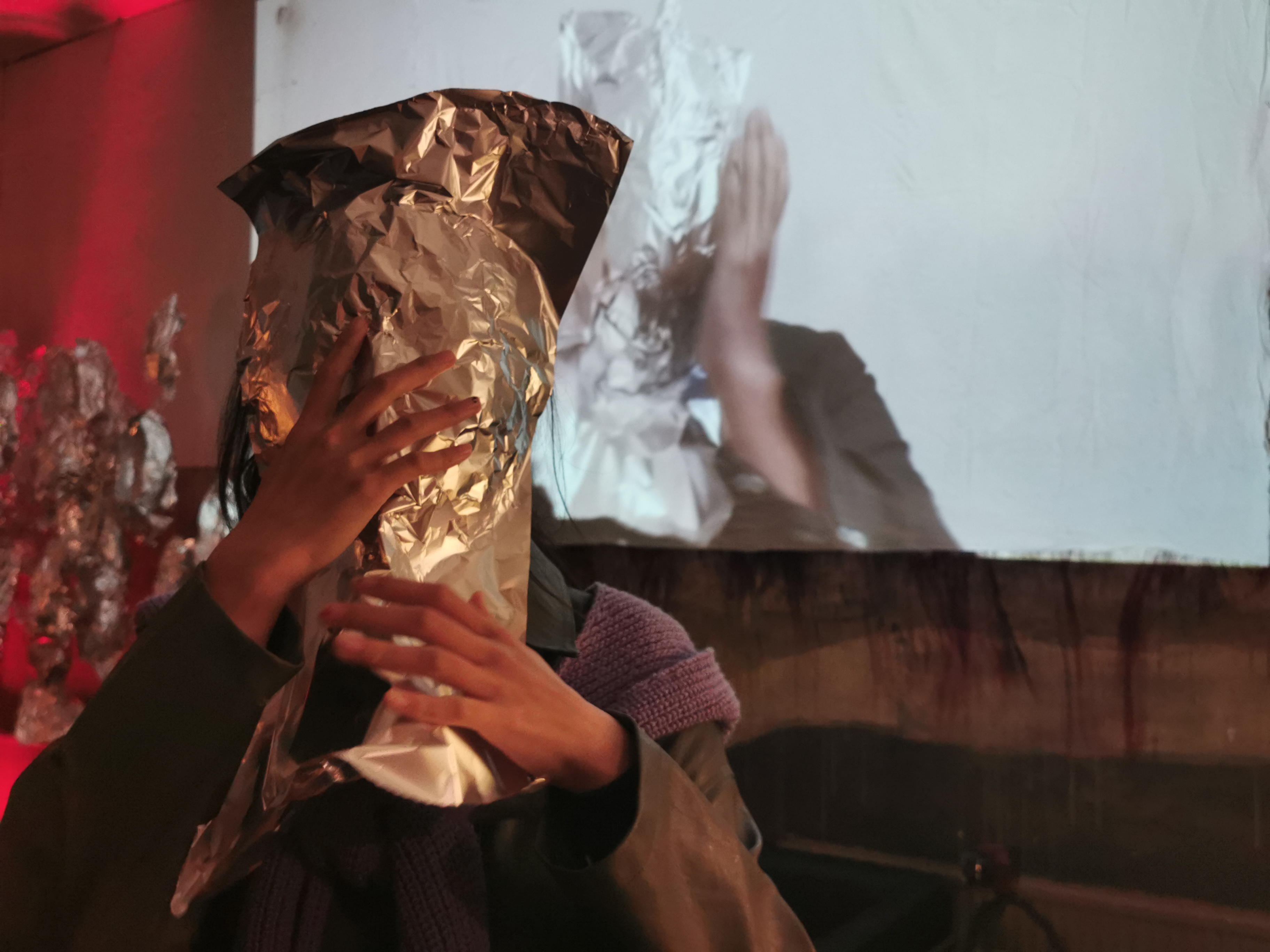
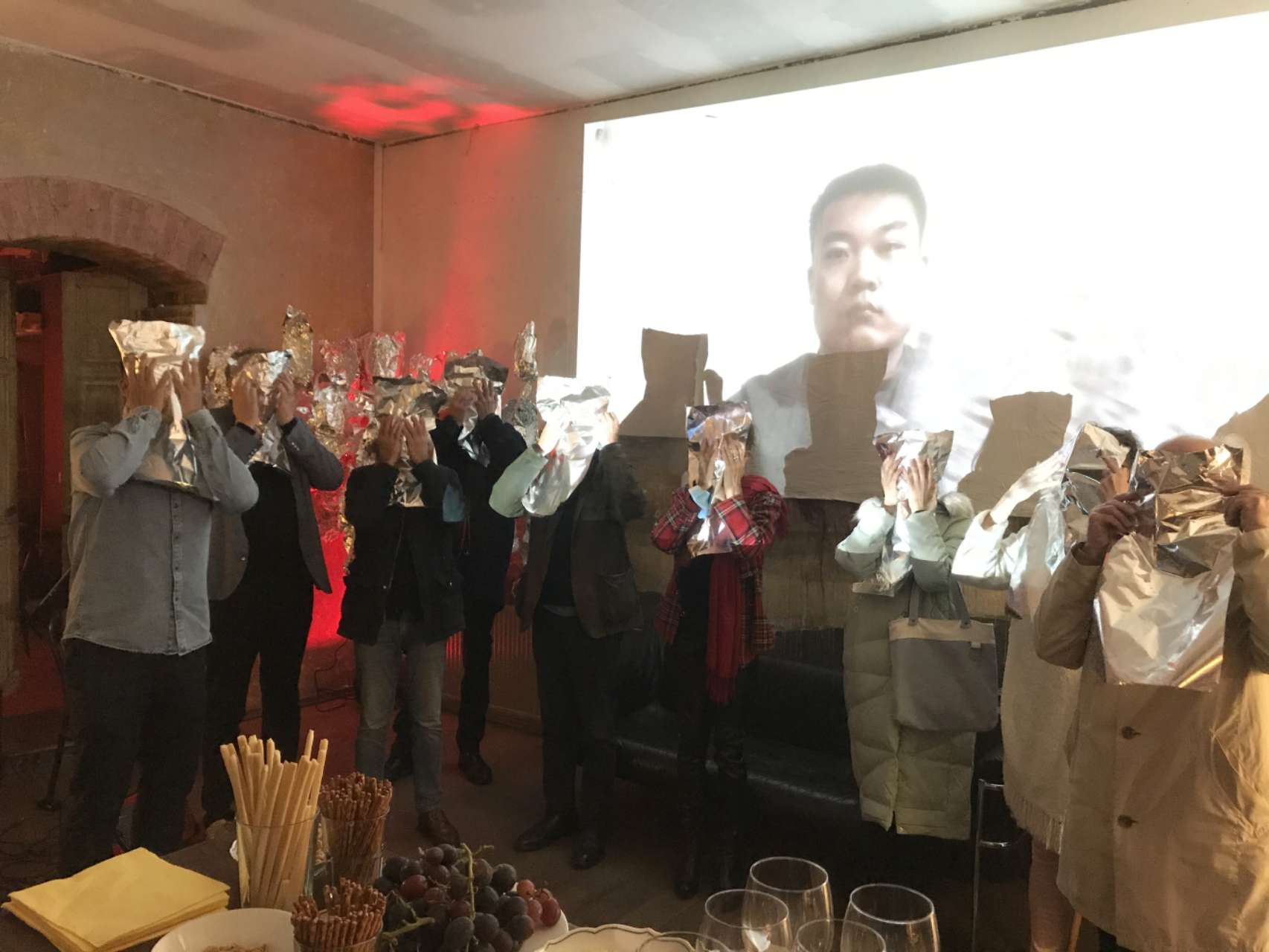
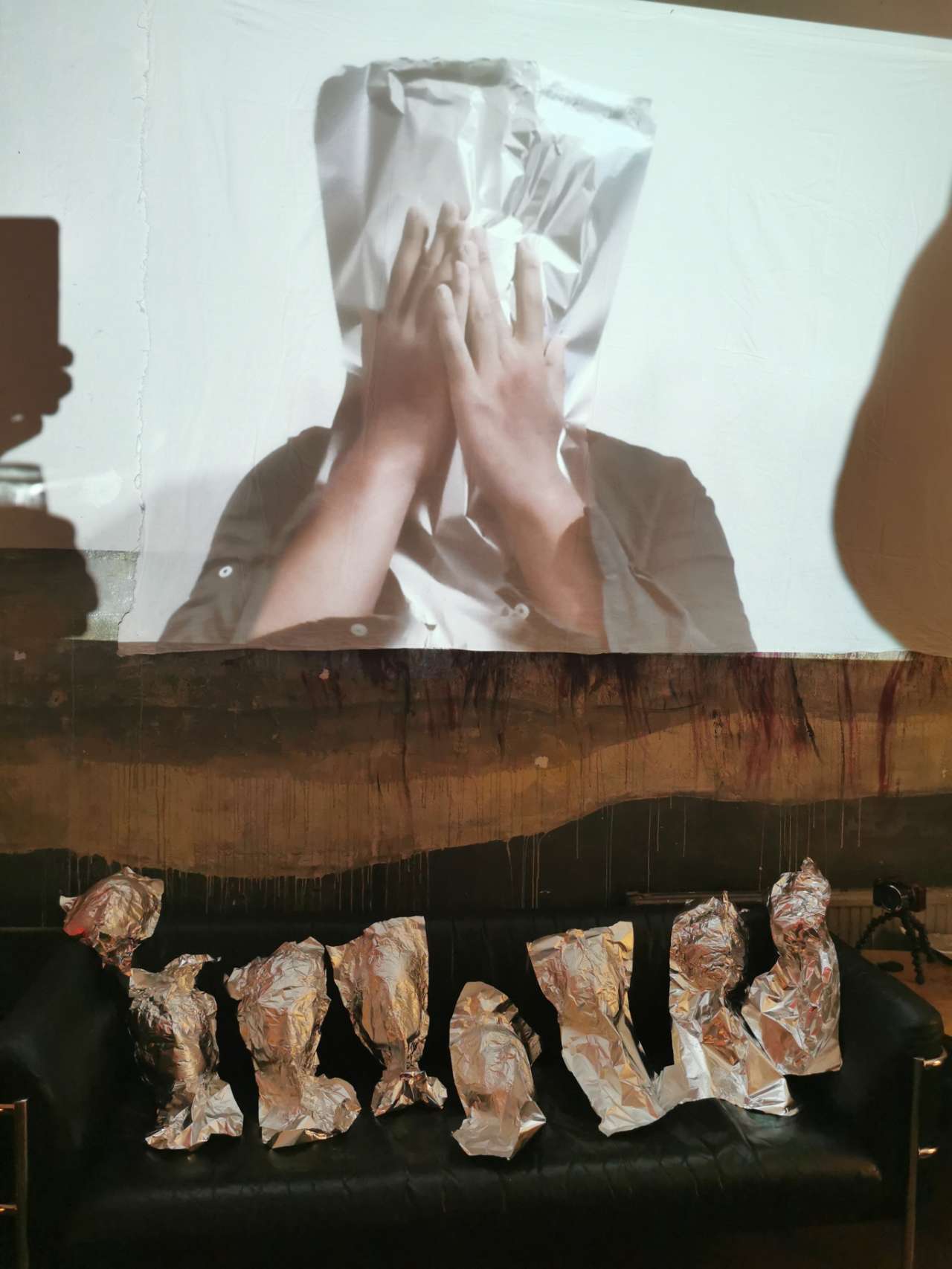
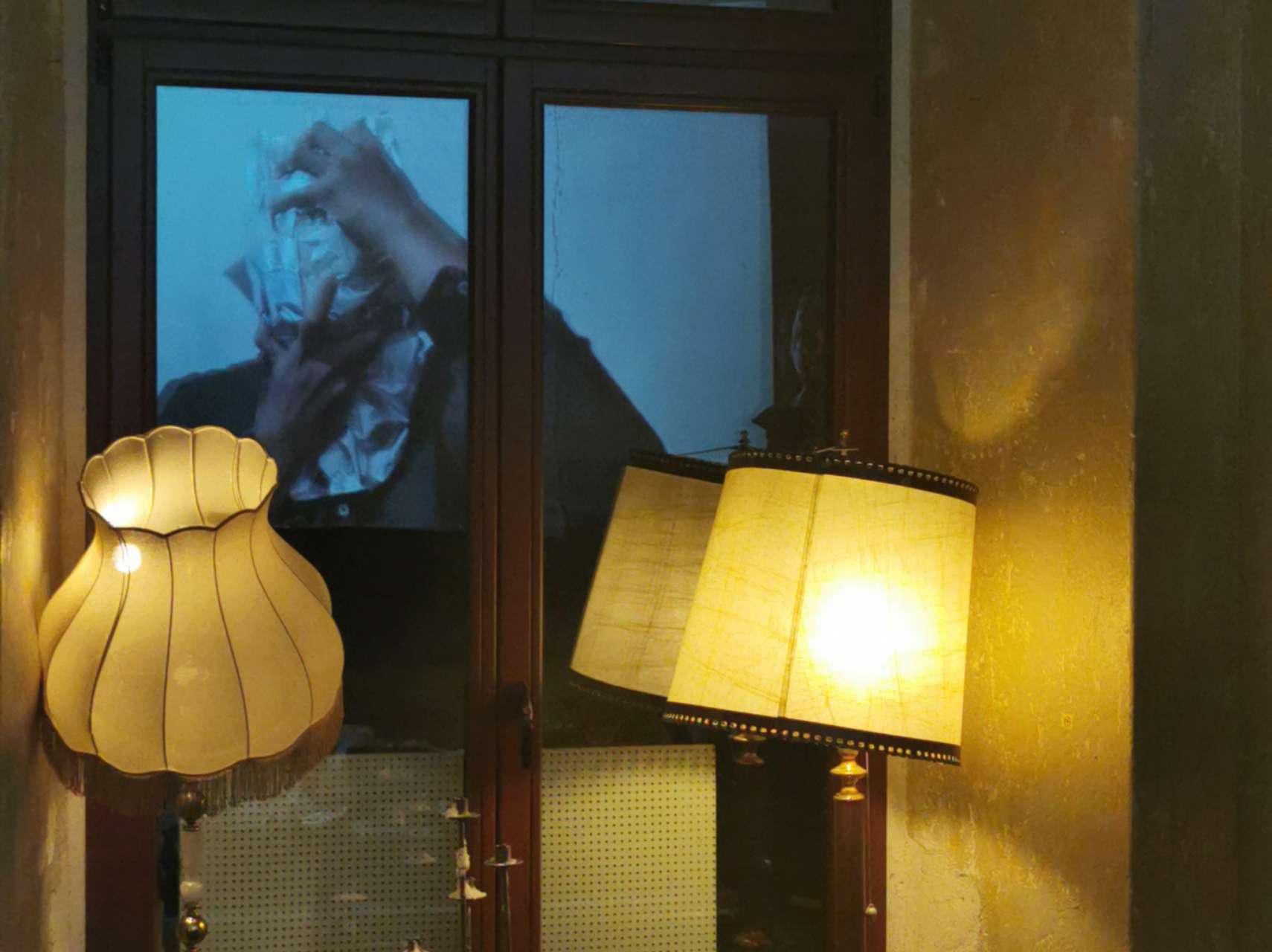
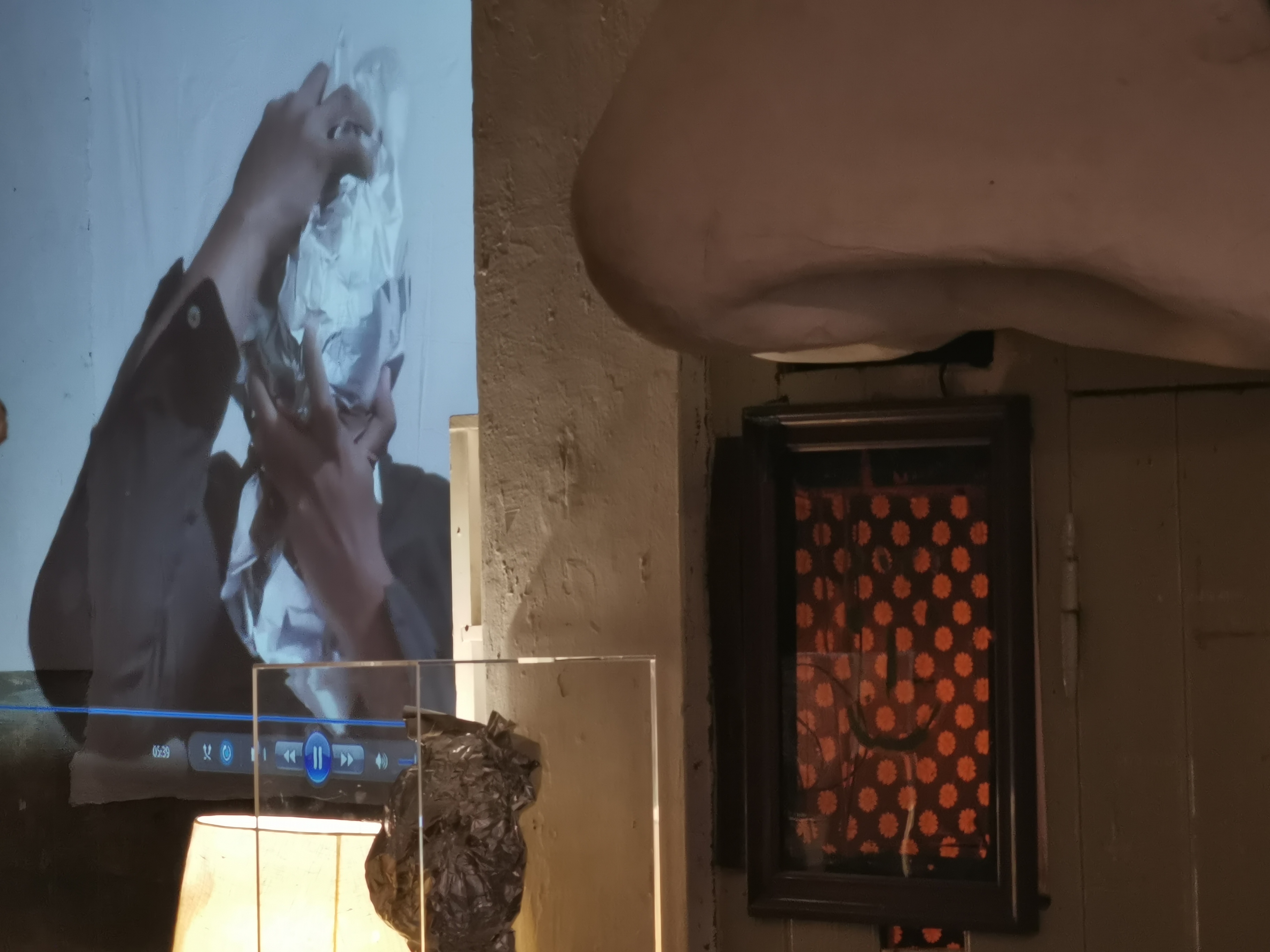
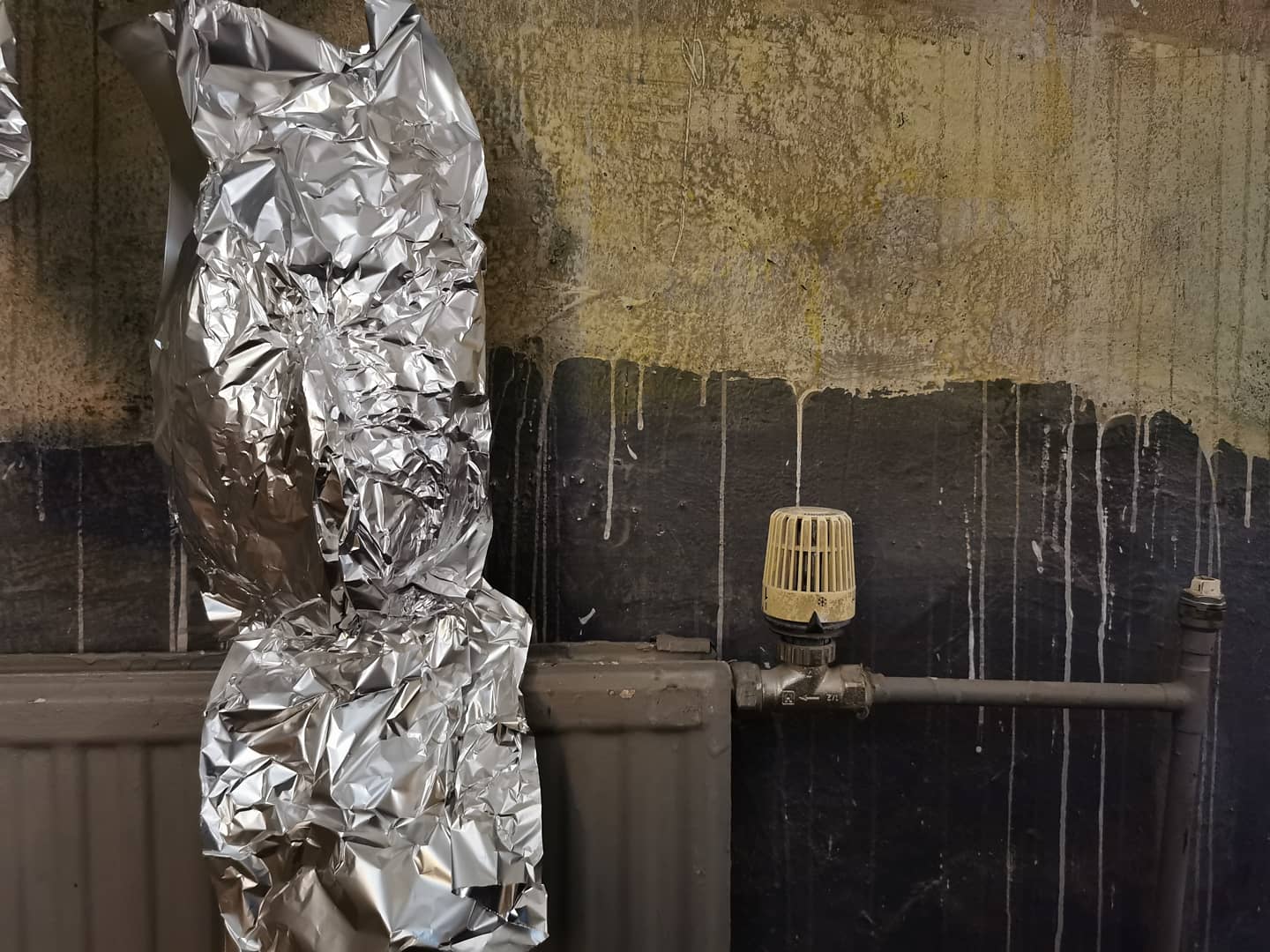
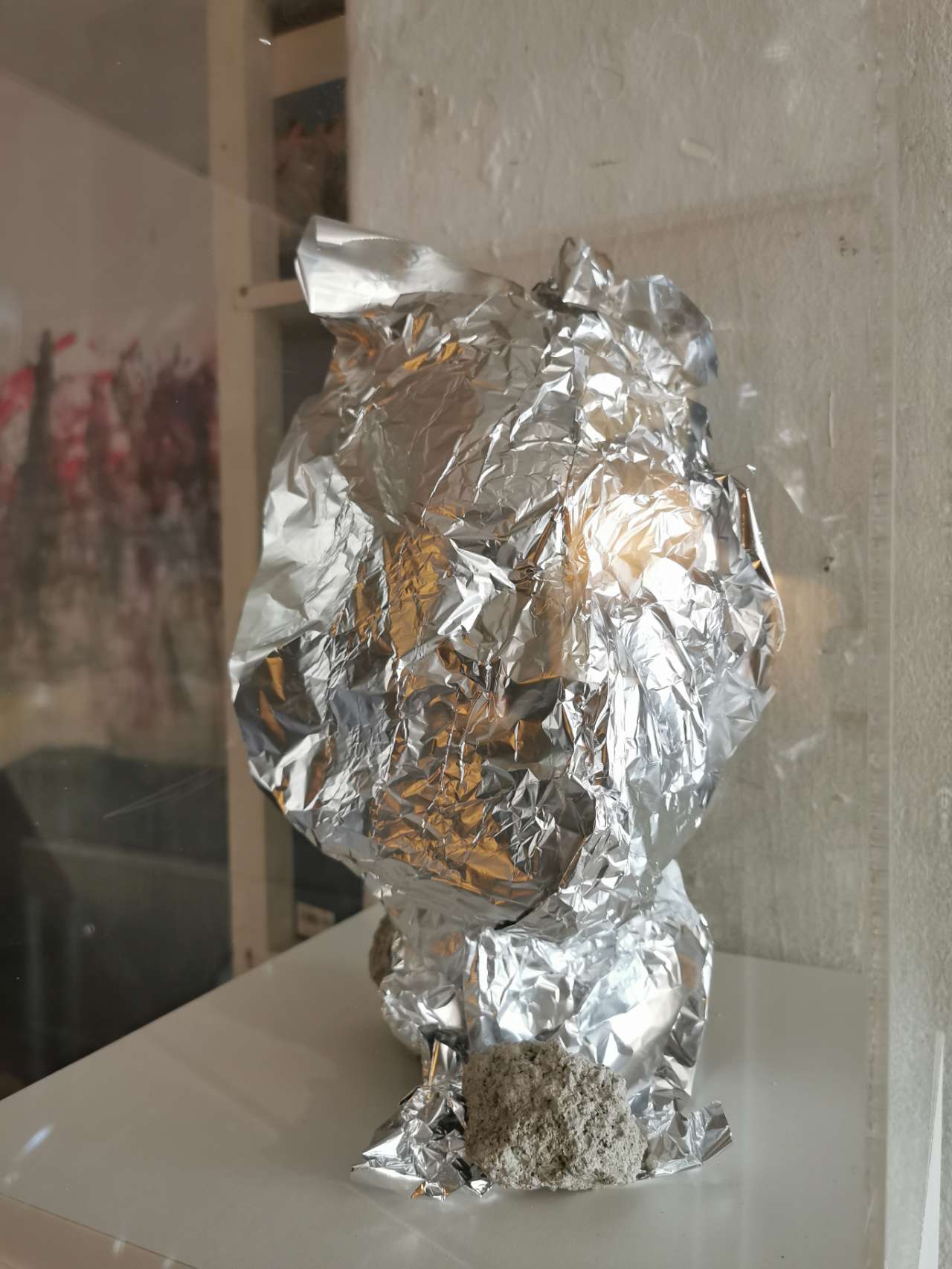
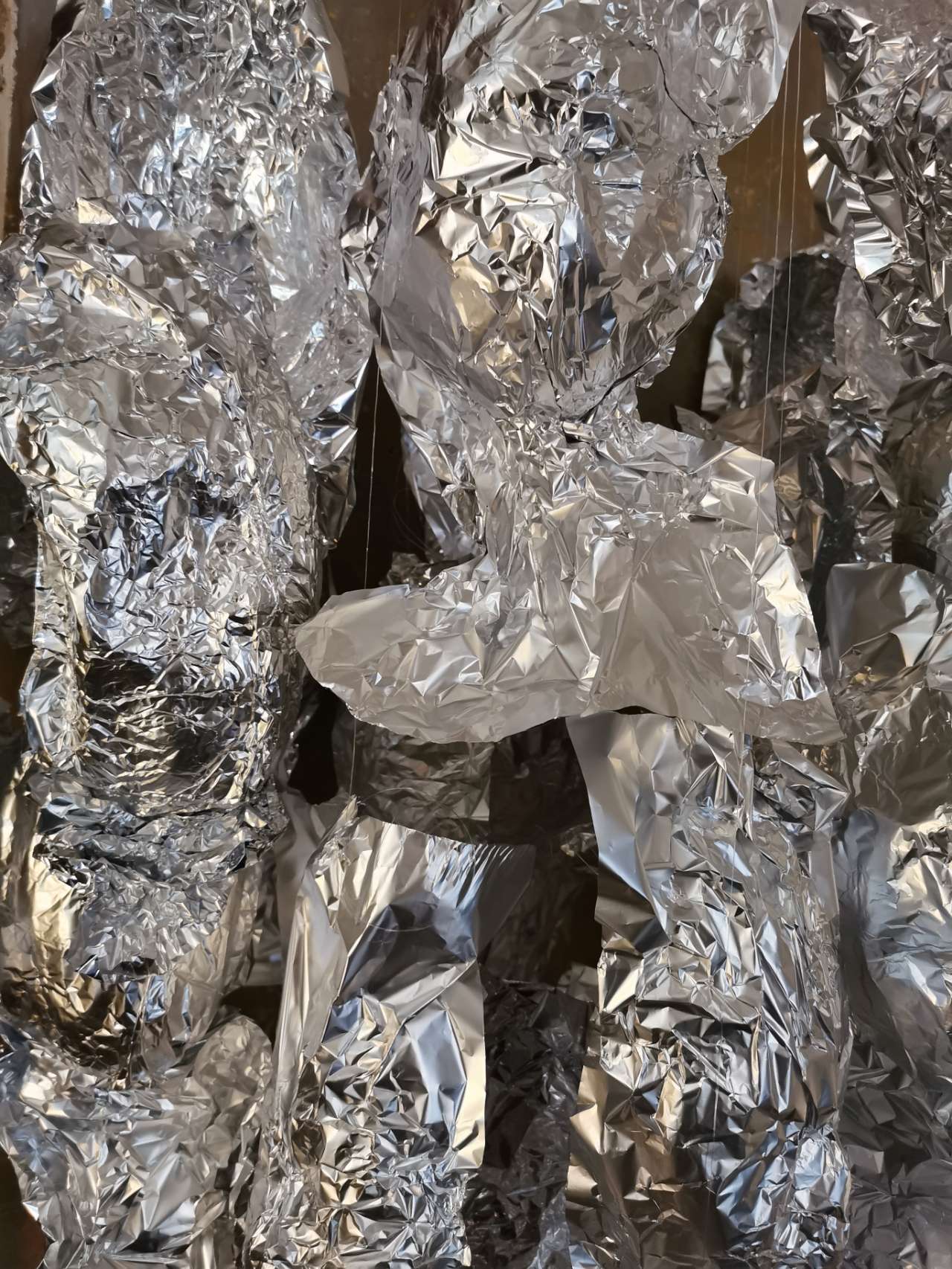
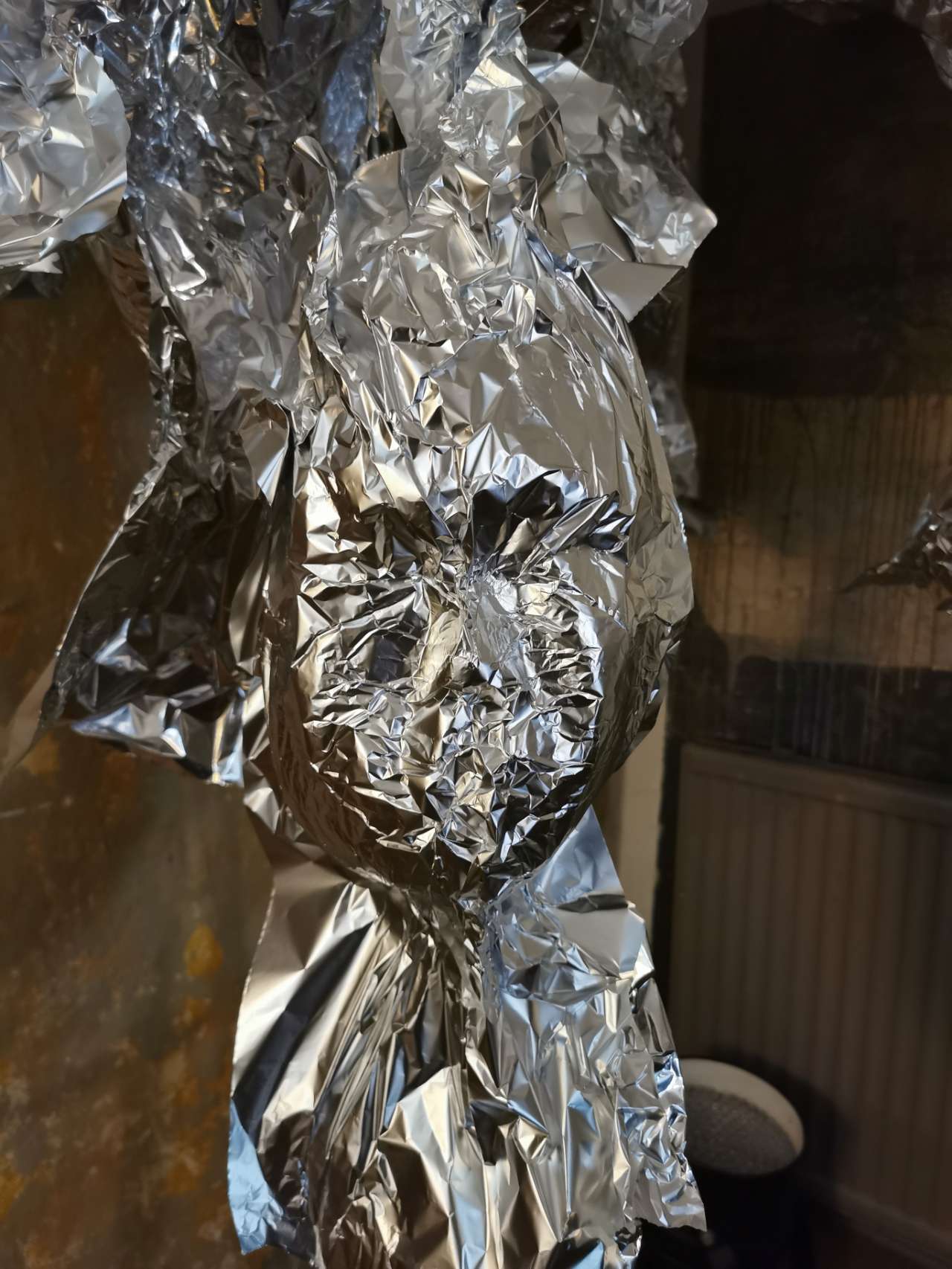
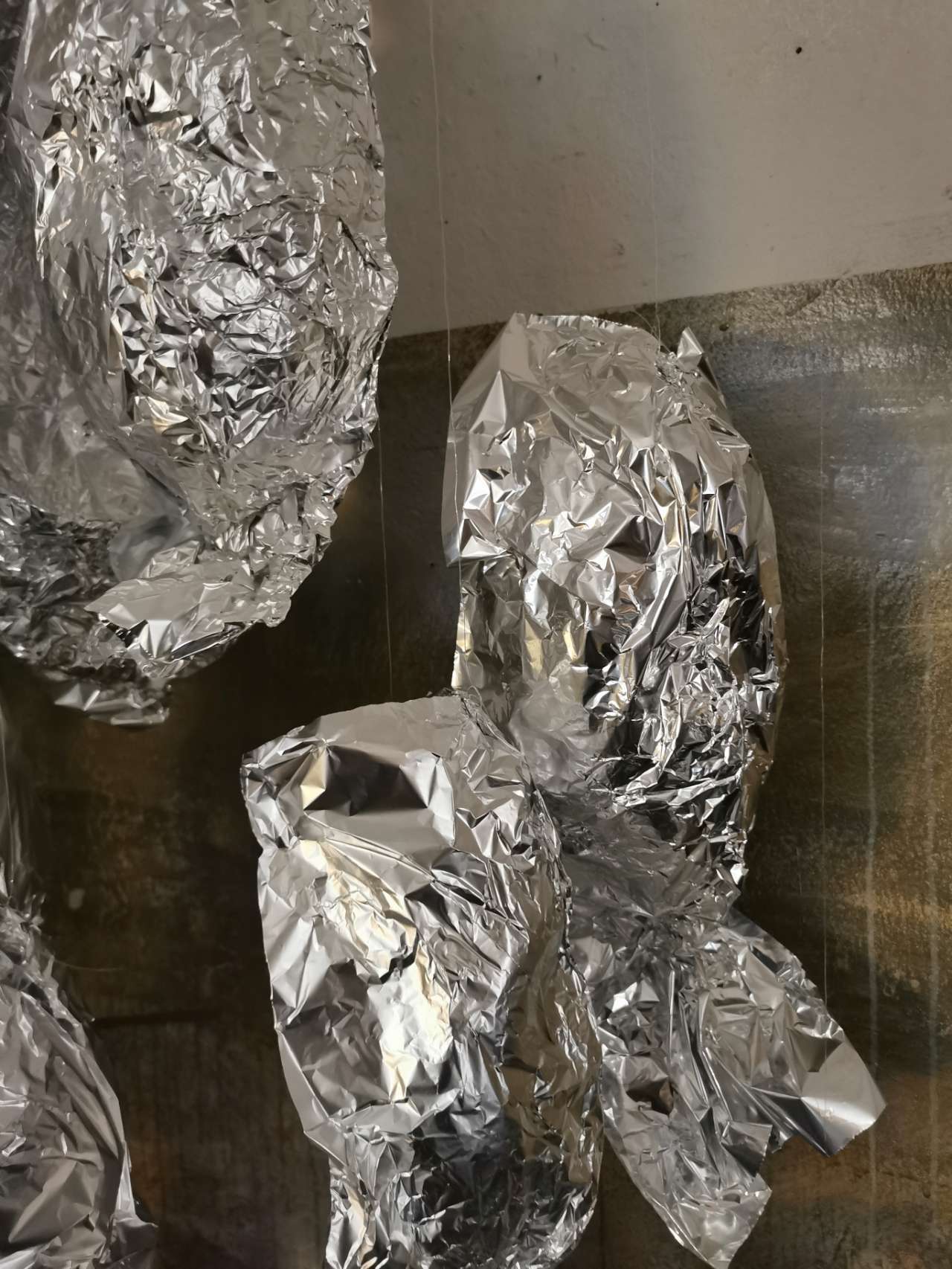
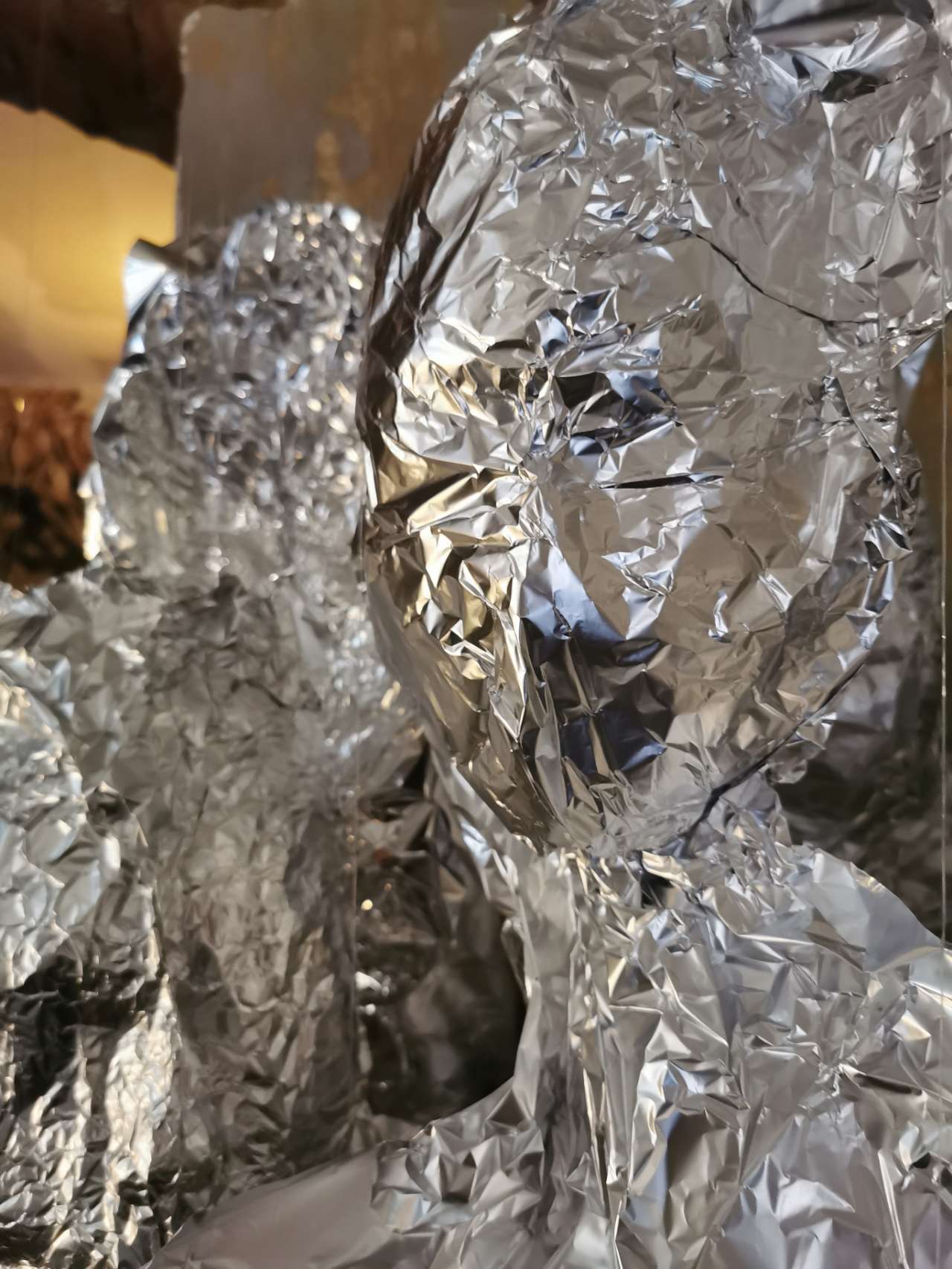
Mask, Me is an interactive art exhibition designed to explore the dynamic tension between individuals and their socialized masks, prompting viewers to reflect on the relationship between self and societal norms. The exhibition begins on Friday evenings, a time that symbolizes the transition from structured work routines to a freer state of being, creating an opportunity for participants to temporarily break free from societal discipline. At the exhibition site, I provide aluminum foil and invite each participant to use it to replicate their facial features. The pliability and deformability of aluminum foil not only capture the participant’s emotions and physical traits at that moment but also metaphorically represent the ways in which society shapes and constrains individuals. This process allows participants to perceive their uniqueness while collectively contributing to a visual assemblage of masks. These foil masks are then displayed within the exhibition space, forming a “visual community” that blurs the boundaries between reality and fiction, individuality and collectivity.
In terms of artistic language, Mask, Me draws upon the openness of phenomenology and modern art theory, combining material textures with the construction of narrative spaces. The project fuses abstraction and figuration, illusion and reality, symbolism and metaphor. The ambiguous lines and random compositions within the work reflect the fluidity of individual identity while symbolizing the external forces that intervene in and shape personal agency. This artistic approach seeks to transcend the constraints of traditional three-dimensional spaces, creating a multidimensional experience that resides between reality and the imaginary. Throughout this process, each mask is not only a record of individual identity but also a reflective expression of societal norms.
Through Mask, Me, I aim to guide viewers in contemplating a series of deeply personal questions: What truly brings me joy? What kind of life do I genuinely desire? What conflicts exist between my “ideal self” and my current self? Are these conflicts rooted in societal expectations or personal fears? Do I have the courage to take even the smallest step toward authenticity? What actions are necessary to achieve the self I aspire to become? These questions extend beyond individual identity exploration to address how one reconstructs meaning and values within the context of societal discipline.
The significance of Mask, Me lies not only in its interactive and experimental artistic form but also in its attempt to integrate psychology, sociology, and art theory to create an open narrative space. Within this space, viewers are encouraged to reconnect with themselves and the external world, reflecting on their place in society and the realization of their inner potential. Ultimately, Mask, Me is not merely an artwork but a socially reflective experiment designed to offer individuals the opportunity to discover their hidden authentic selves and take the first steps toward realizing that authenticity. In a society where masks often obscure genuine desires, emotions, and unique vitality, confronting these hidden truths is the first step toward achieving wholeness and freedom.