When discussing films, we often ask: what kind of film can truly be called a “good film”? Similarly, when viewing an art exhibition, we may find ourselves wondering: what makes a piece of art a “good work”? And what about those works deemed “bad”? Does this binary evaluative system of “good” and “bad” provide a complete framework for understanding?
From a phenomenological perspective, a truly outstanding film should offer viewers unprecedented aesthetic insights, evoke profound emotional resonance, and deliver a unique sensory experience. However, this is by no means the definitive standard for defining a “good film.” In fact, when a viewer’s evaluation moves beyond a simplistic dichotomy of “good” or “bad” and begins to engage with the film’s form, narrative, and intrinsic qualities, the critical engagement with cinema truly begins. Discussions about what constitutes a “good film” gain significance only when the viewer delves into the essence of cinema itself.
However, as a medium, film’s audience reach is often most directly and intuitively measured by its viewership. Over time, films with extremely low viewership are frequently marginalized or even forgotten, losing their connection with audiences and their opportunity to convey content. This phenomenon not only reflects a pragmatic reality about these films but also reveals a structural challenge in the interaction between film and its audience.
The classification of films serves as a functional strategy to help viewers quickly locate films of interest, thereby facilitating a dialogue between the audience and the medium. However, through an analysis of the borrowing data from the American Memorial Library (AGB), we have identified a unique category of films—those that have never been borrowed. These films, untouched by viewers, have remained in a state of “silence,” nearly disappearing from public consciousness. Does this “silence” signify a kind of cultural “death”? Or does the neglect of these films point to a deeper misalignment between their aesthetic qualities, narrative styles, or medium-specific characteristics and the expectations of mainstream audiences?
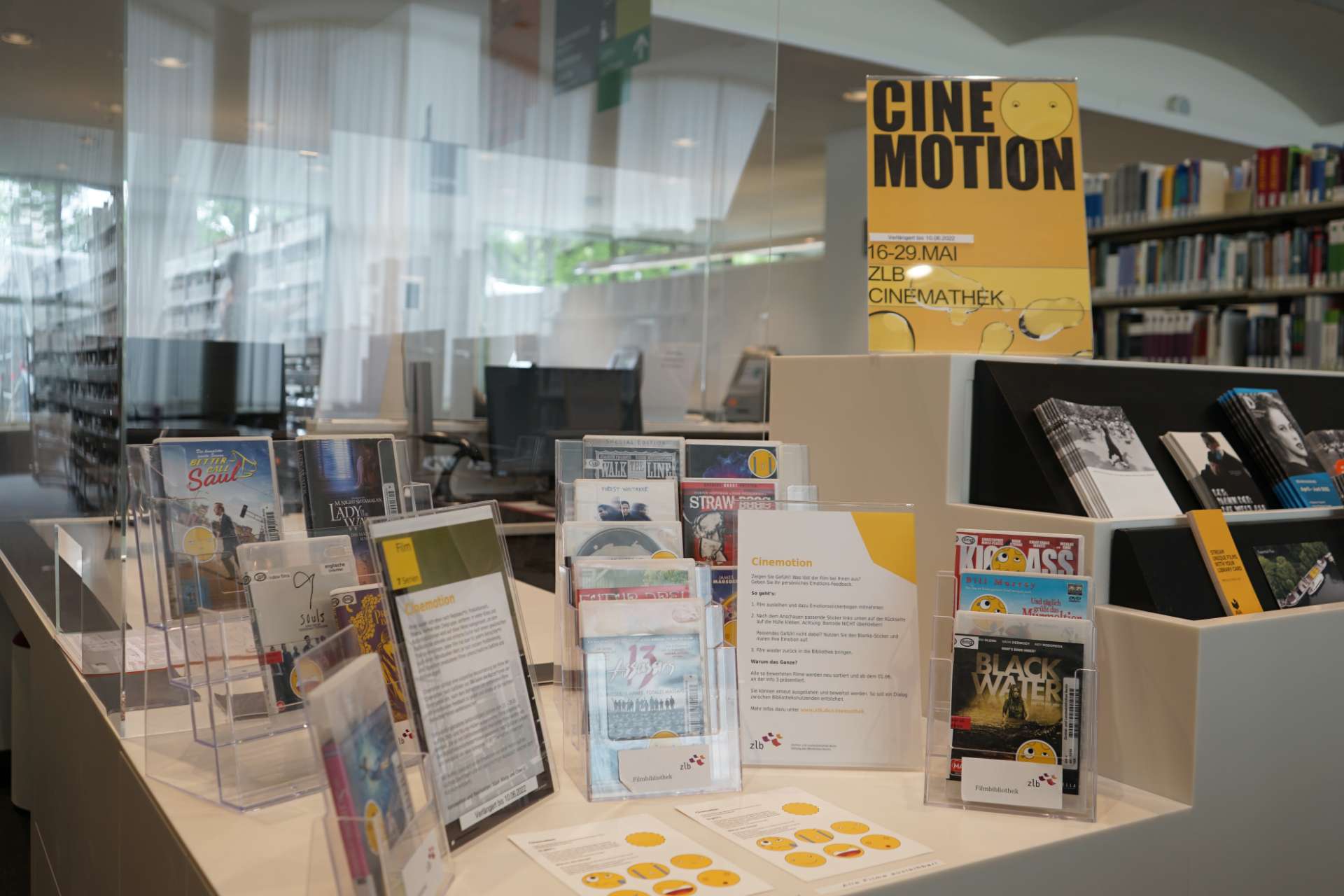
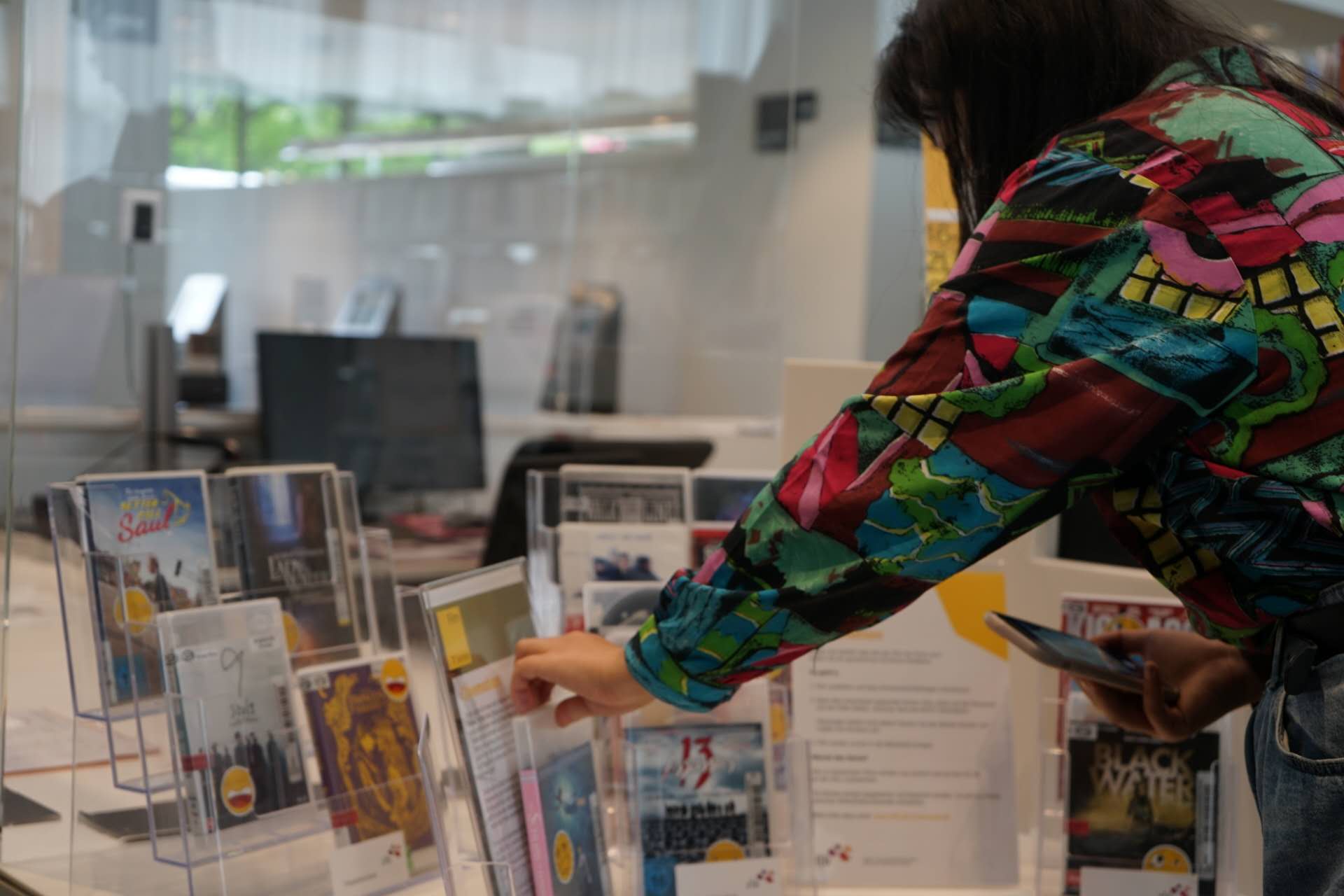
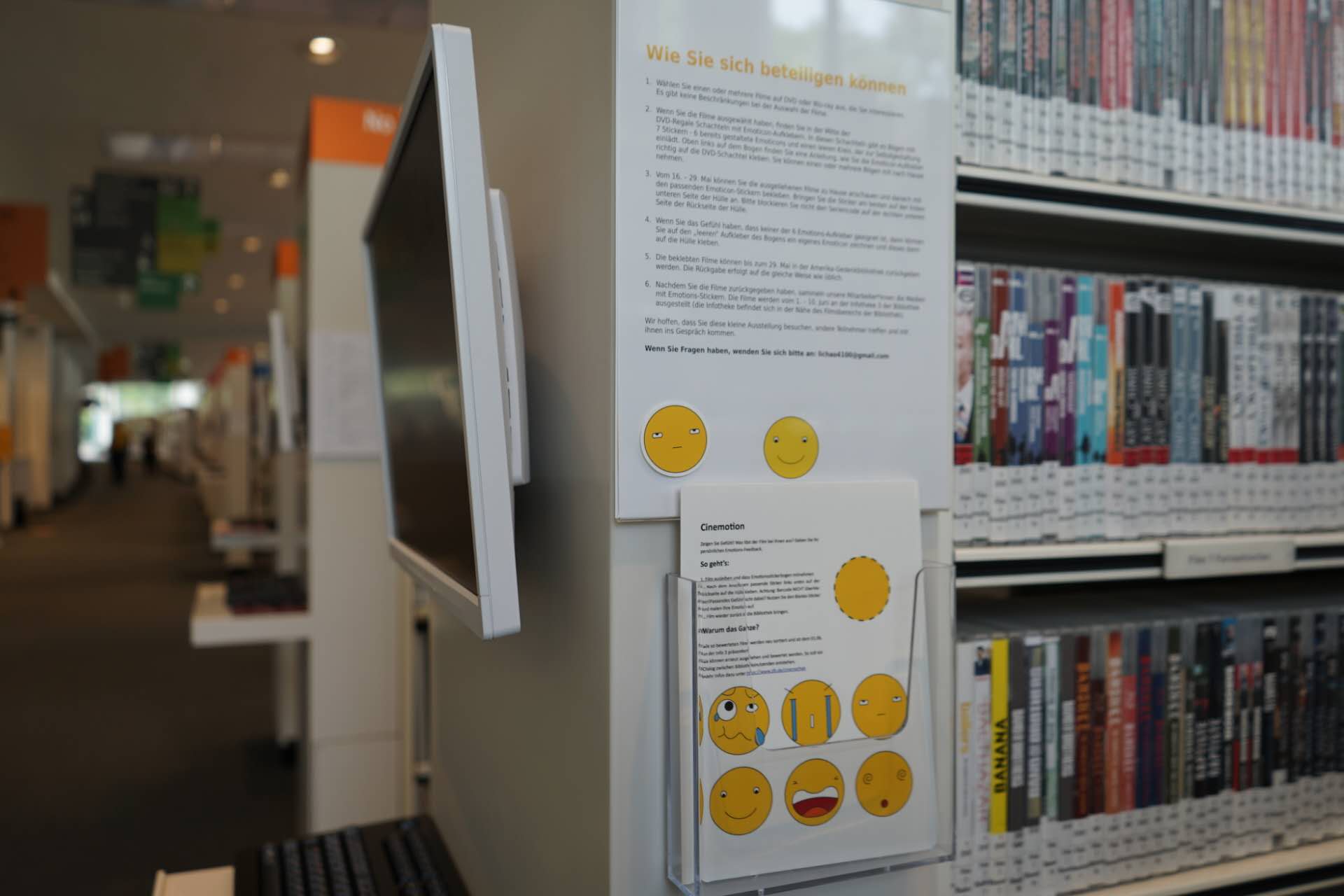
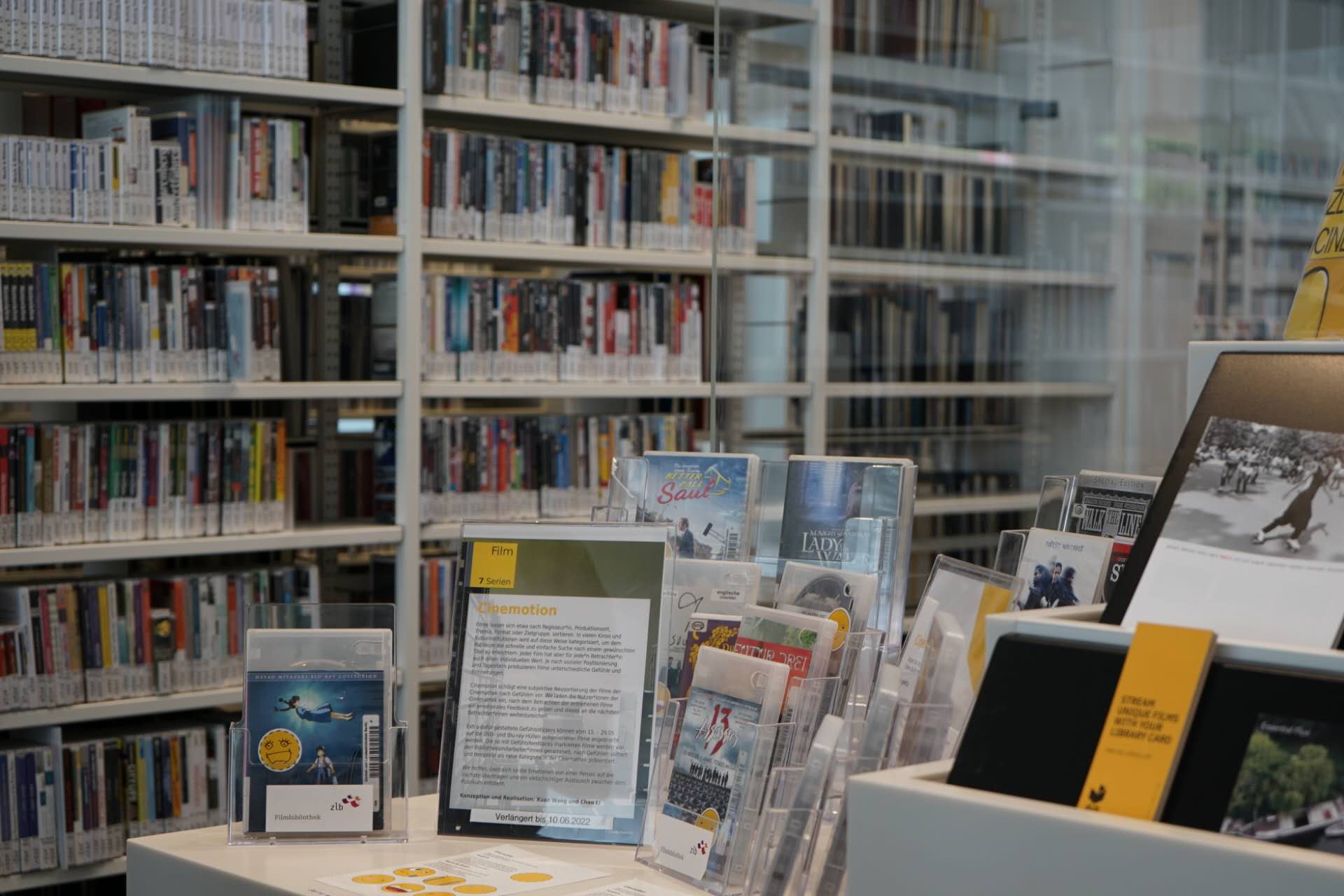
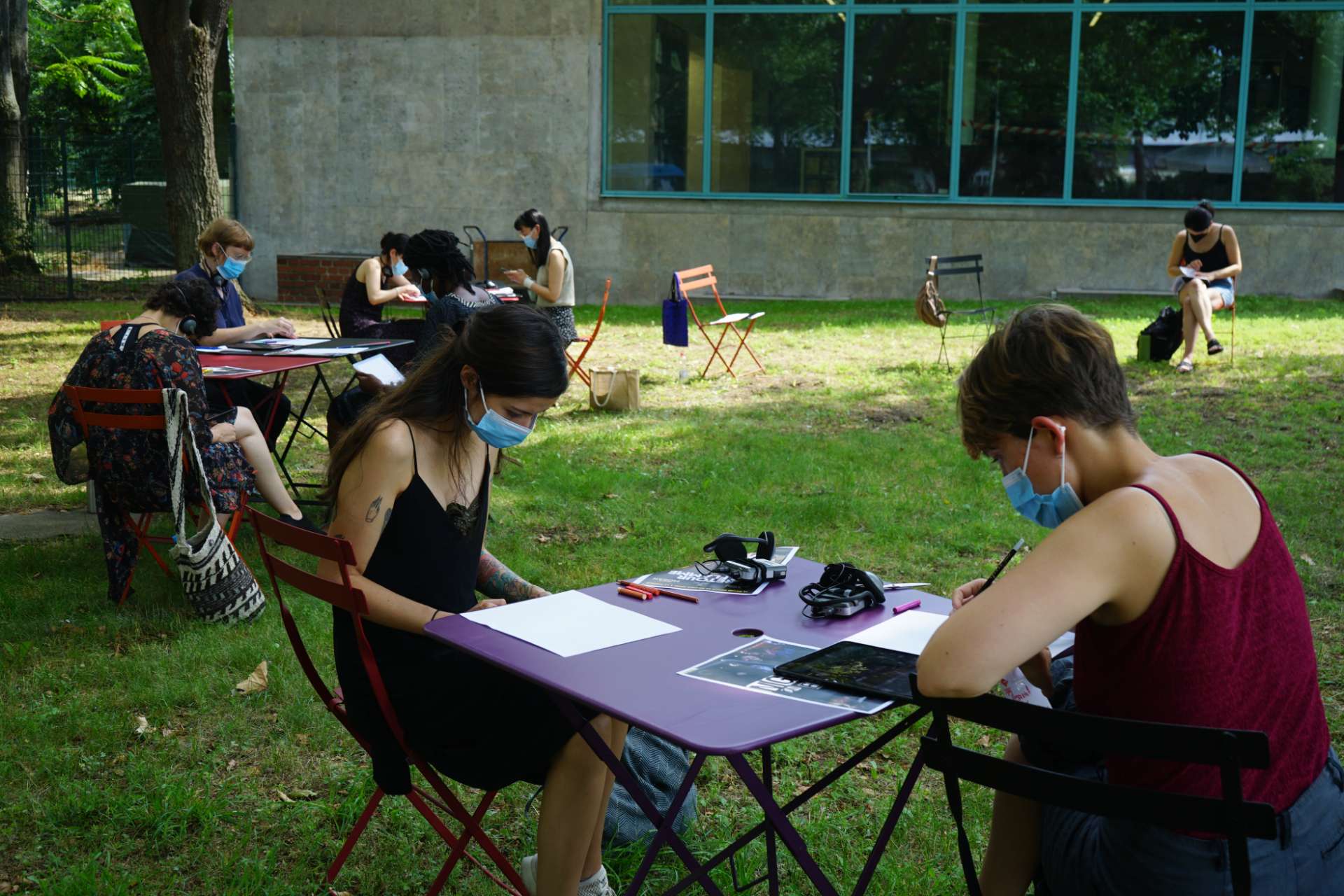
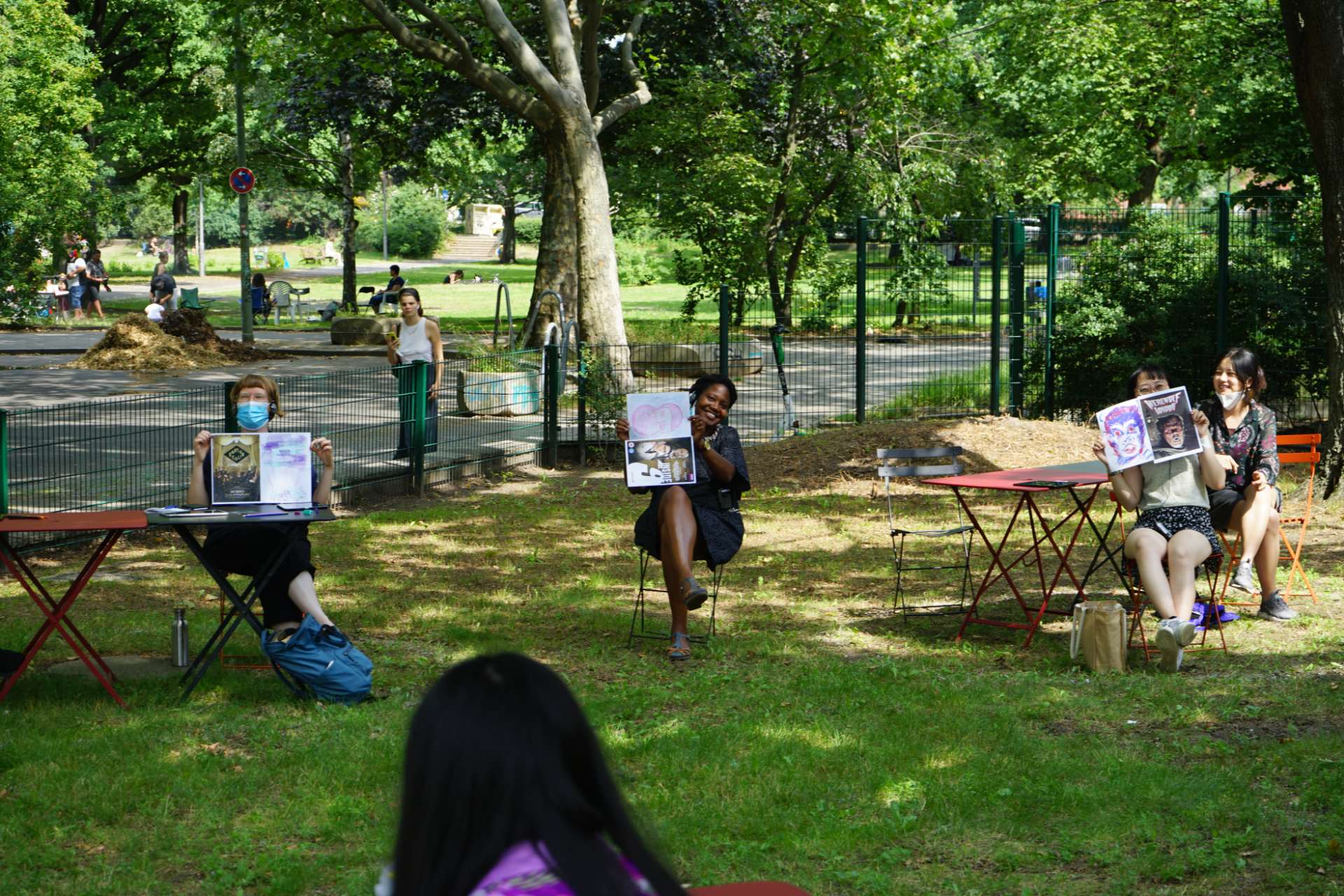
Based on these questions, we propose an experimental classification method focusing on these “unborrowed films.” Within this framework, we have designed a participatory art workshop aimed at reactivating the latent value of these films through social interaction. Specifically, participants in the workshop are invited to freely select one or more of these films, view them, and engage in discussions with other participants to explore the potential reasons why these films remained unborrowed. Participants will be encouraged to provide feedback in the most direct and straightforward forms—such as a brief comment, an emoji, or a simple sketch. These responses will be attached to the films’ DVD covers, becoming a new medium for dialogue between the audience and the films.
This participatory process not only emphasizes the agency of the audience in the circulation of films but also seeks to endow these films with new cultural significance. In this process, participants assume dual roles: as the first viewers to establish a connection with these films and as their new spokespersons. In this way, the films regain the opportunity to interact with future audiences, while the emotions and thoughts of viewers are extended and transmitted within this dynamic cycle.
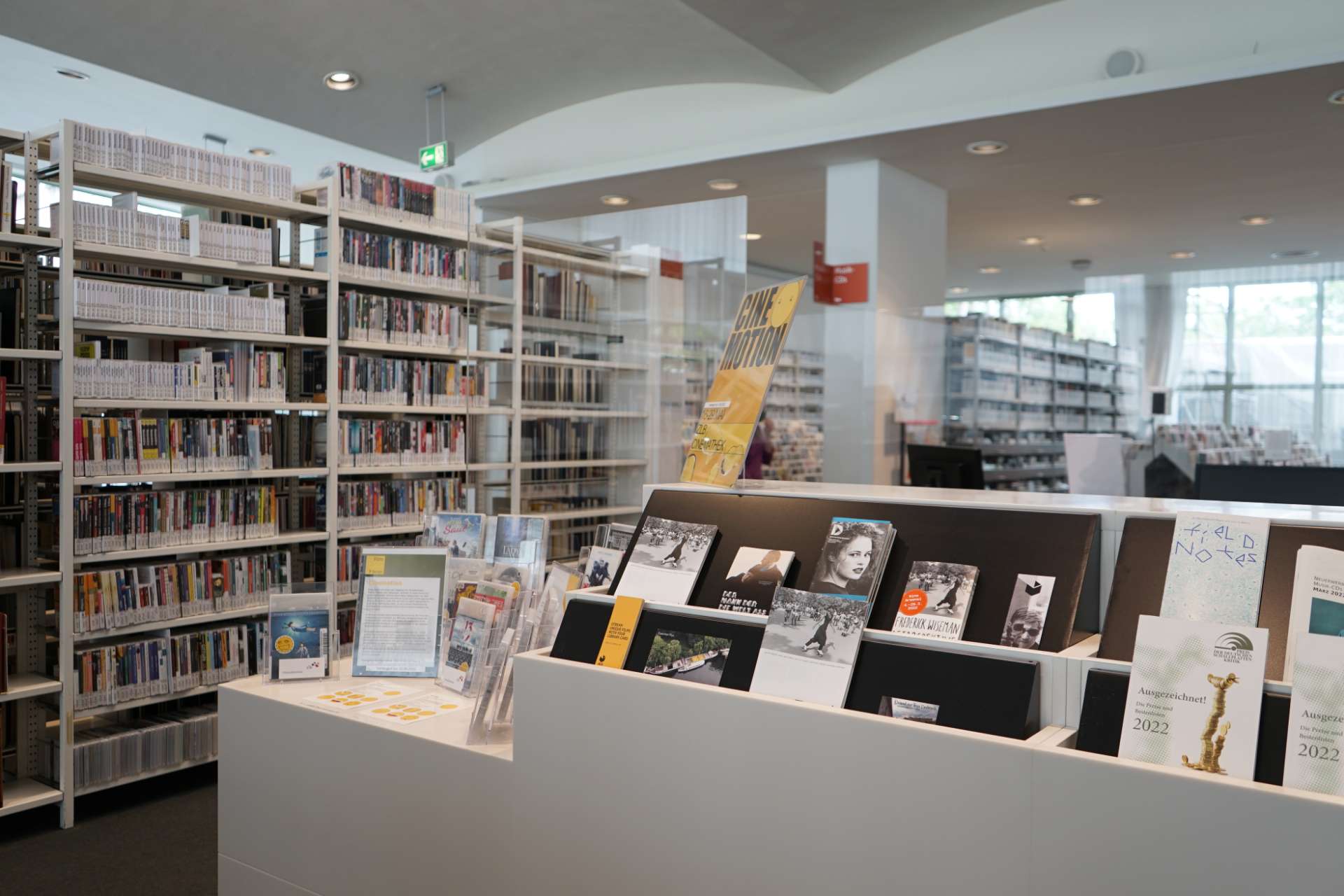
The final outcome of the workshop will be presented in the form of an exhibition, showcasing these films and the feedback provided by the participants. Through this process, we aim to identify the commonalities among these films and use them as a basis to explore new classification models. This project not only offers an opportunity for “forgotten films” to re-enter the audience’s field of vision but also prompts us to reflect on the boundaries of film classification systems and their implications for cultural transmission.
The significance of this project lies not only in its exploration of the relationship between film classification and audience engagement but also in its investigation of the interplay between medium, emotion, and social interaction in artistic practice. Through this experimental research, we hope to breathe new life into unborrowed films and provide a reference model for the future development of film classification systems, while uncovering the multifaceted roles of film as a cultural medium within audience experiences.