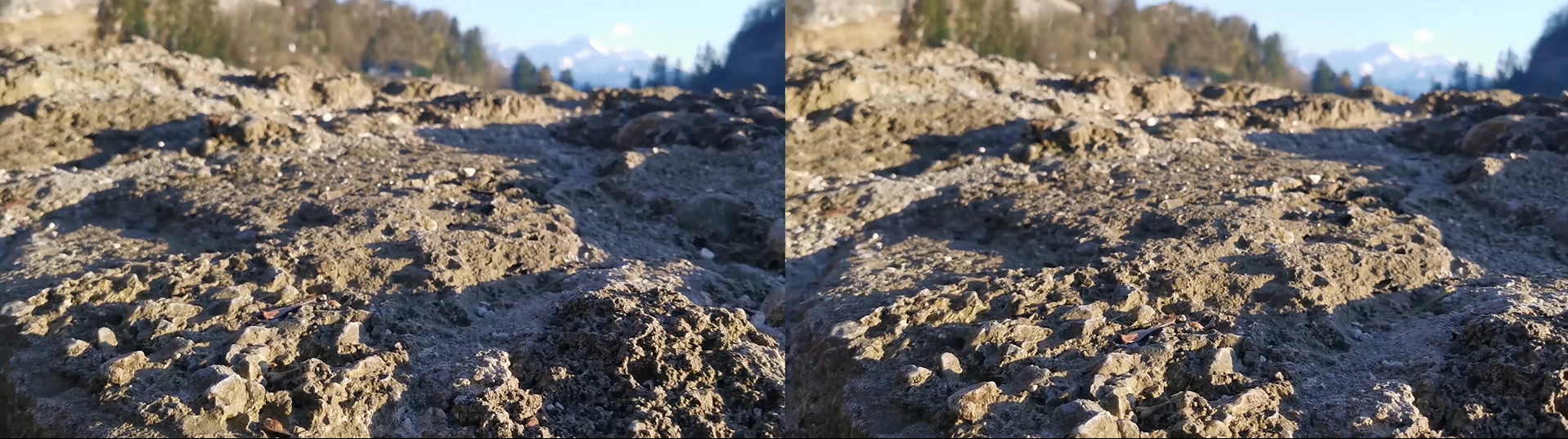
"Ist heute ein schöner Tag?" is an experimental dual-screen video art project that critically explores the profound impact of technological surveillance and social control on individual freedom and identity. By comparing the lived experiences of ordinary people in China—under a highly monitored and stratified society—and the artist's personal experience of freedom and openness in Germany, the work highlights how political systems, cultural structures, and technological advancements shape human behavior, emotions, and cognition.
In recent years, China's surveillance technologies have advanced rapidly, exemplified by the expansive "Skynet Project," a large-scale system that pervades urban life. This governance model is deeply intertwined with traditional hierarchical social structures and centralized authoritarianism. Ordinary citizens live under constant surveillance, with their behavior heavily constrained and their sense of freedom eroded. These surveillance systems are often justified as tools to maintain social order, further reinforcing collective dependence on authority.
In contrast, Germany's societal structure emphasizes individual freedom, openness, and diversity. By juxtaposing the perspectives of the "Chinese self" (the artist’s experience living in China) and the "German self" (the artist’s perspective living in Germany), the project establishes a transnational dialogue, probing the tension between freedom, control, and technology within these two contrasting environments.
Academic Context and Significance
Reconfiguration of Technology and Power
As technology advances, surveillance has evolved from a passive recording tool into a central mechanism of power. Drawing on Michel Foucault’s concept of the "Panopticon," the project examines how surveillance technologies shape individual behavior through the power dynamics of "seeing and being seen." China’s governance increasingly relies on these technology-driven power networks, departing from traditional command structures. Through visual narratives of everyday life, the project externalizes the behavioral constraints and internal anxieties imposed by ubiquitous surveillance.
Social Stratification and Identity
Traditional social hierarchies remain deeply entrenched in modern Chinese society, aligning with centralized governance models to position ordinary people as passive and marginalized in the power structure. The project raises critical questions about how individuals perceive their identities within such frameworks and how surveillance exacerbates their marginalization. By visualizing the powerlessness of constantly "being watched," the work reflects on widespread identity anxiety and class rigidity in contemporary China.
Cultural Dialogue on Freedom and Restriction
Using a comparative approach, the project expands the discourse on "freedom," questioning whether freedom is merely an external manifestation of individual actions or a deeper cultural construct. Through a multi-layered narrative structure, the work reveals the complex interplay between technology and freedom, exploring how freedom is experienced, interpreted, and contested in different cultural contexts.
Structure of the Work
The project consists of five sections, each employing visual and behavioral metaphors to explore the interplay between control and freedom:
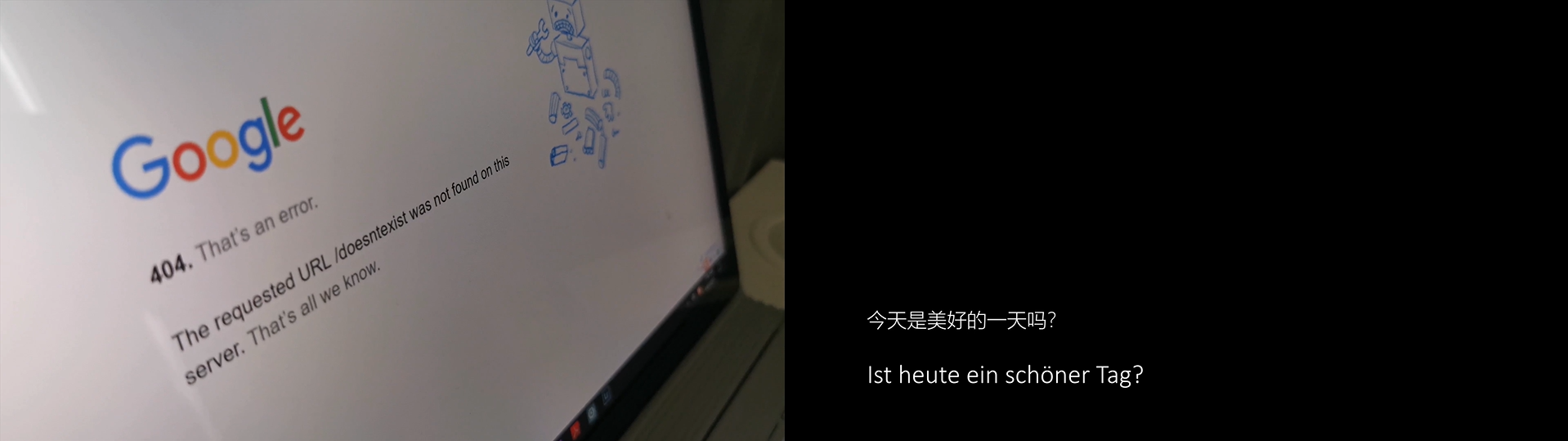
Part 1: "I Can’t Speak" (The Suppression of Expression)
This segment uses silence and metaphorical imagery to portray the isolation and helplessness of individuals in a restrictive environment, addressing the pervasive issue of censorship in Chinese society.
Part 2: "I Can’t Buy What I Want in the Supermarket" (Control Over Choices and Thought)
Using consumer behavior as a metaphor, this section explores how personal choices are constrained within ideological frameworks.
Part 3: "The Border Between Salzburg, Austria, and Bavaria, Germany" (Real-Time Tracking and Freedom of Movement)
The border serves as both a physical and symbolic representation of control. By depicting the border zone, the work questions how technology reshapes individual mobility and spatial awareness.
Part 4: "I Control the Chess Piece, but I Am Also the Chess Piece" (Power and Individual Roles)
Using the chessboard as a metaphor, this section highlights the dual role of individuals as both controllers and subjects within societal structures, exposing the paradox of agency and subjugation.
Part 5: "Escape from the Climbing Net" (Behavioral Constraints and Resistance)
The climbing net represents behavioral limitations. Through the dynamic of attempted escape, this section symbolizes the struggle and futility faced by individuals under societal constraints.
Artistic Collaboration and Cross-Cultural Perspective
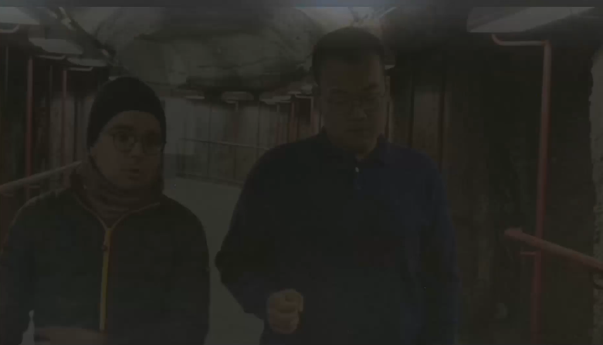
This project is a continuation of Chao Li and Raimund Rosarius’s long-standing collaboration on cross-cultural issues. Having lived in Beijing for three years, Raimund possesses a nuanced understanding of China’s social environment and the lived experiences of ordinary people. This background enriches the collaborative process, with Raimund representing the "German self" and Chao Li embodying the "Chinese self." Together, they create a dialogue that transcends cultural boundaries, offering insights into the universal and particular challenges faced by individuals under different systems.
Academic Contribution and Social Relevance
"Ist heute ein schöner Tag?" responds to global concerns about technology, power, and social control through the lens of contemporary art, while offering a distinctive critique of China’s unique socio-political context. By deconstructing everyday scenes, the work interrogates how surveillance technology erodes individual freedoms and exposes the lived realities of ordinary people in China.
This project serves as both a critical reflection on Chinese society and a broader ethical discussion on the implications of technological control. It reveals the inherent nature of technology as a tool of power and warns of the potential crises of freedom posed by its misuse. Artistically, the work employs an experimental narrative and layered symbolism to deepen contemporary art’s engagement with social realities.
By juxtaposing China and Germany’s contrasting systems, the work invites viewers to contemplate the ethical and social dimensions of technological development. It challenges audiences to reconsider the role of technology in shaping individual agency and social order, while highlighting the universal struggle for freedom and identity in an era of increasing surveillance.
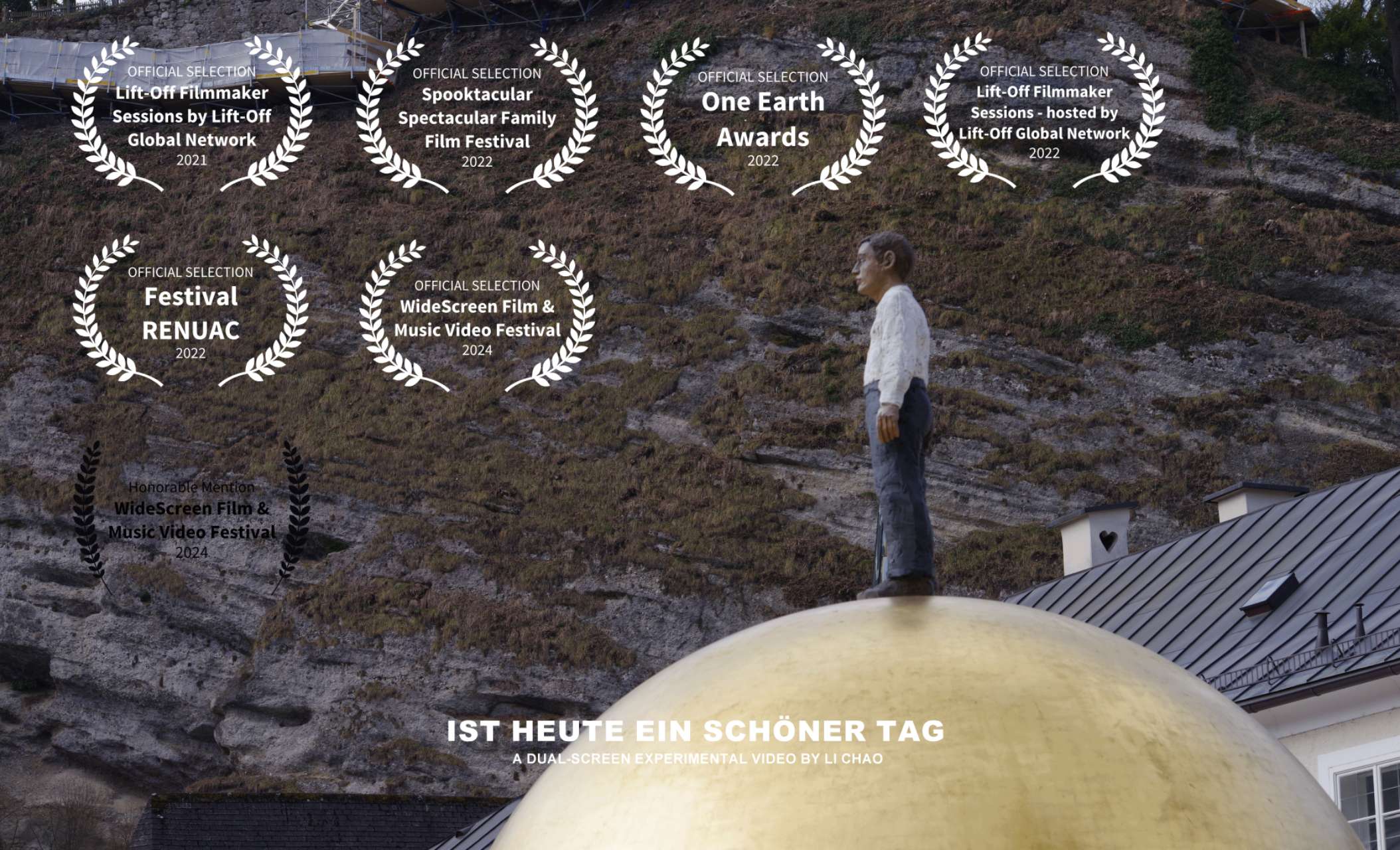
This video artwork has been honored with the One Earth Awards in India, the Honorable Mention Award at The Fear Faire Film Festival in the United States, and official selections at the Renuac Film Festival in Chile and the Lift-Off Sessions Film Festival in the United Kingdom. It has also been screened and exhibited in art institutions and exhibition spaces across multiple countries.

Part 1: "I Can’t Speak" (The Suppression of Expression)
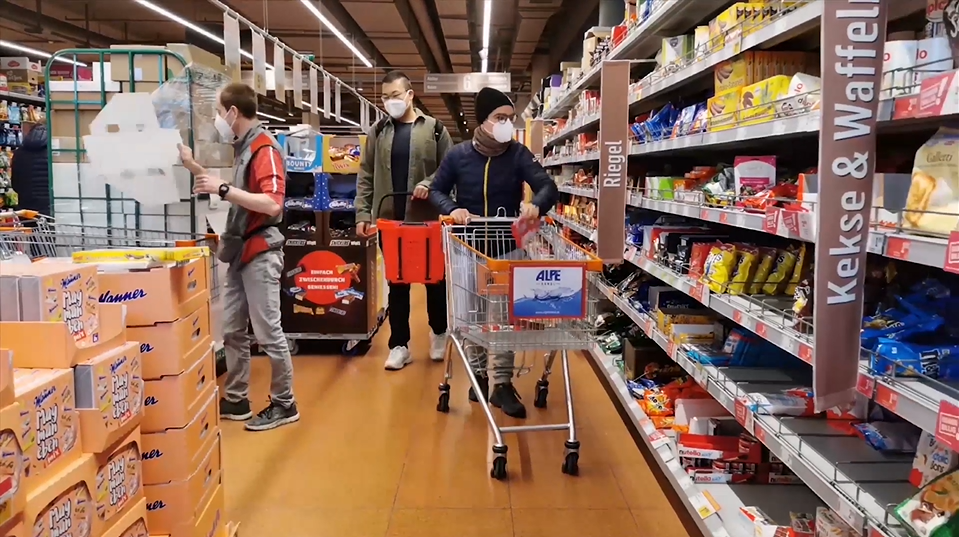


Part 2: "I Can’t Buy What I Want in the Supermarket" (Control Over Choices and Thought)
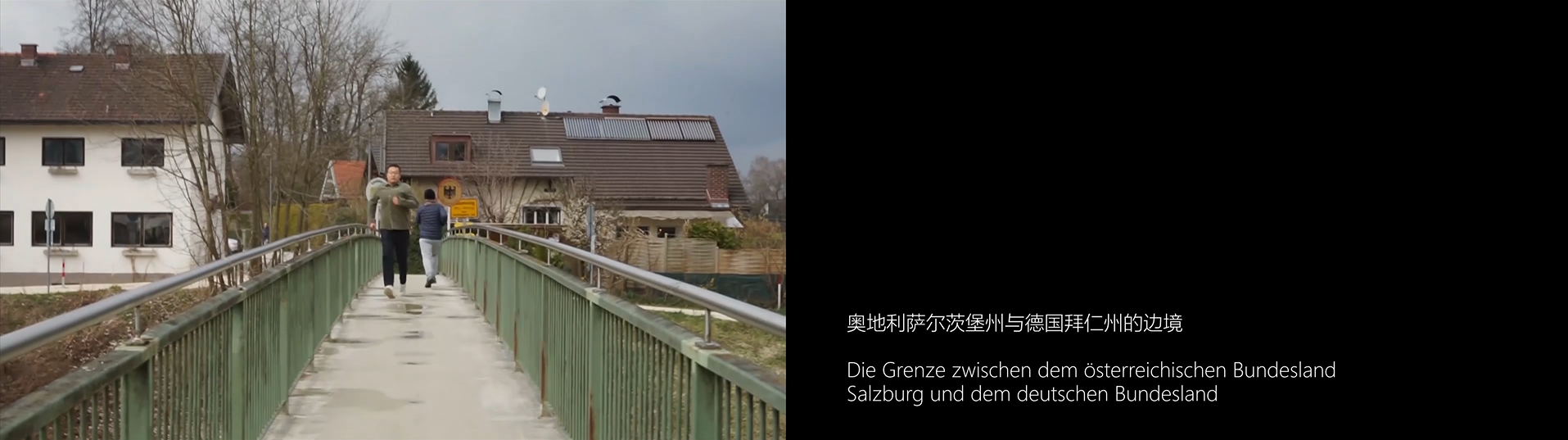
Part 3: "The Border Between Salzburg, Austria, and Bavaria, Germany" (Real-Time Tracking and Freedom of Movement)
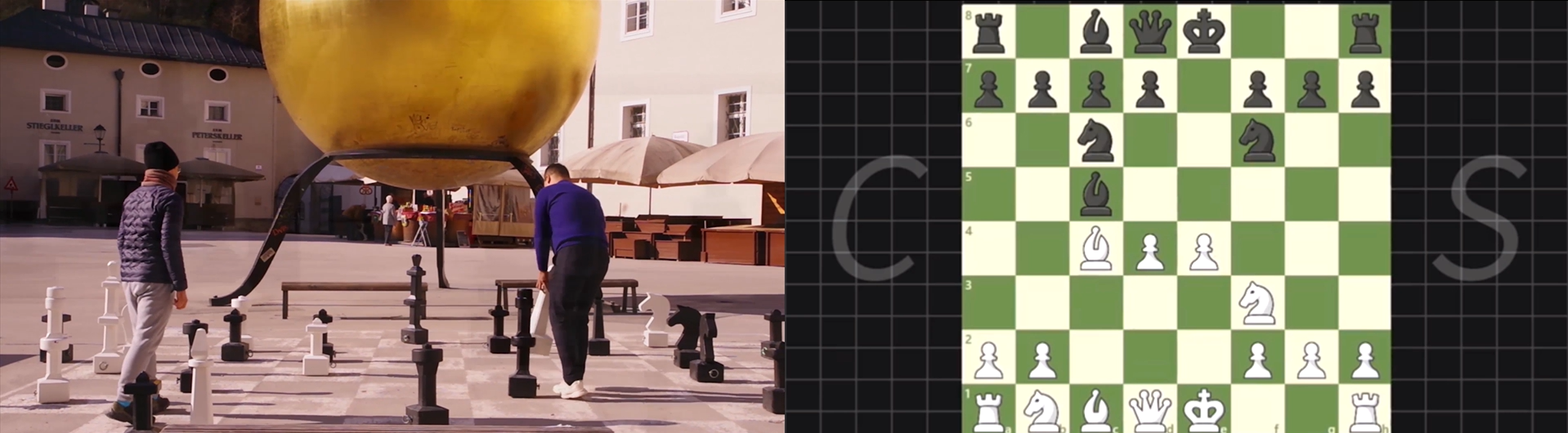
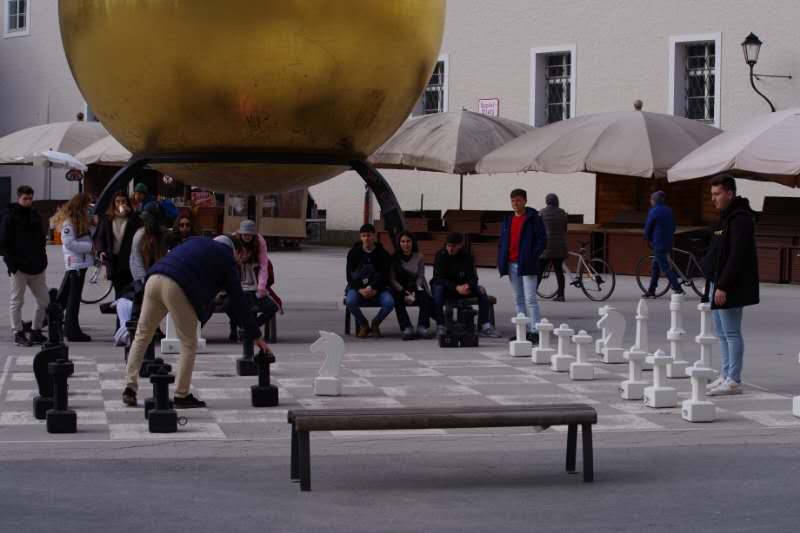
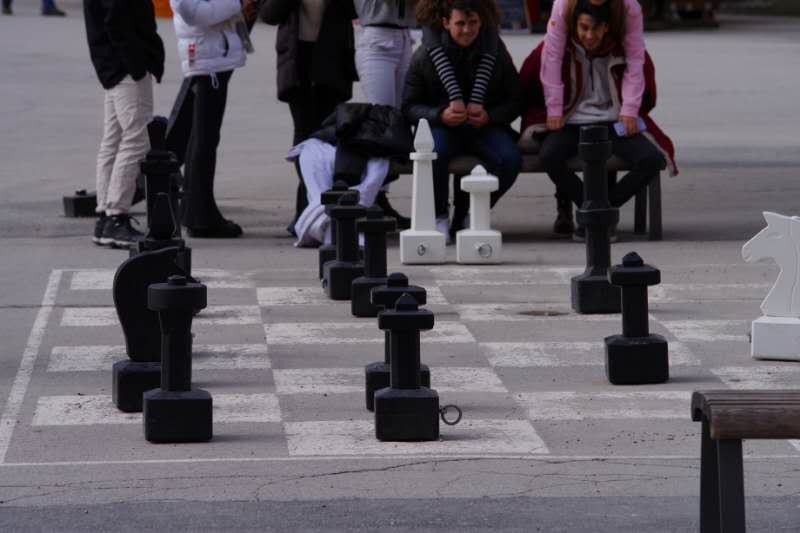
Part 4: "I Control the Chess Piece, but I Am Also the Chess Piece" (Power and Individual Roles)
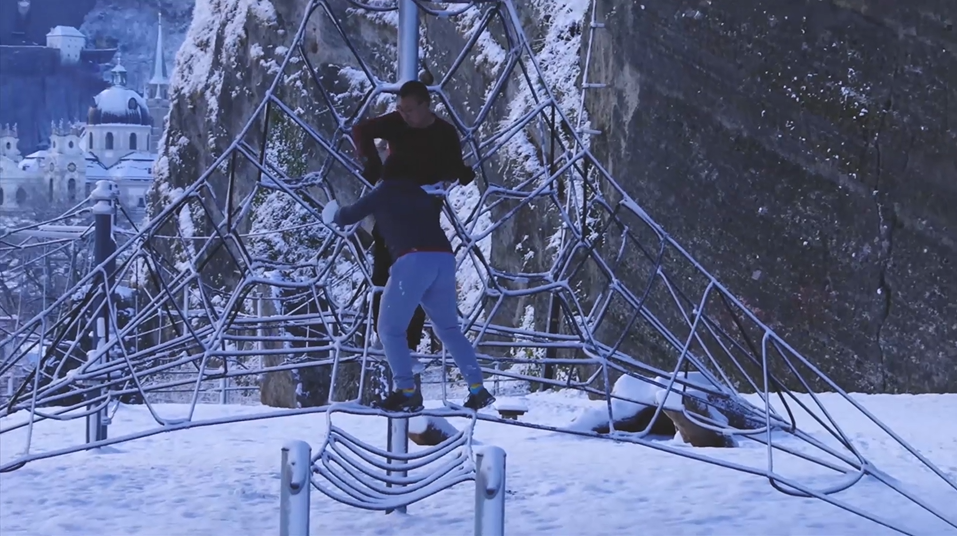
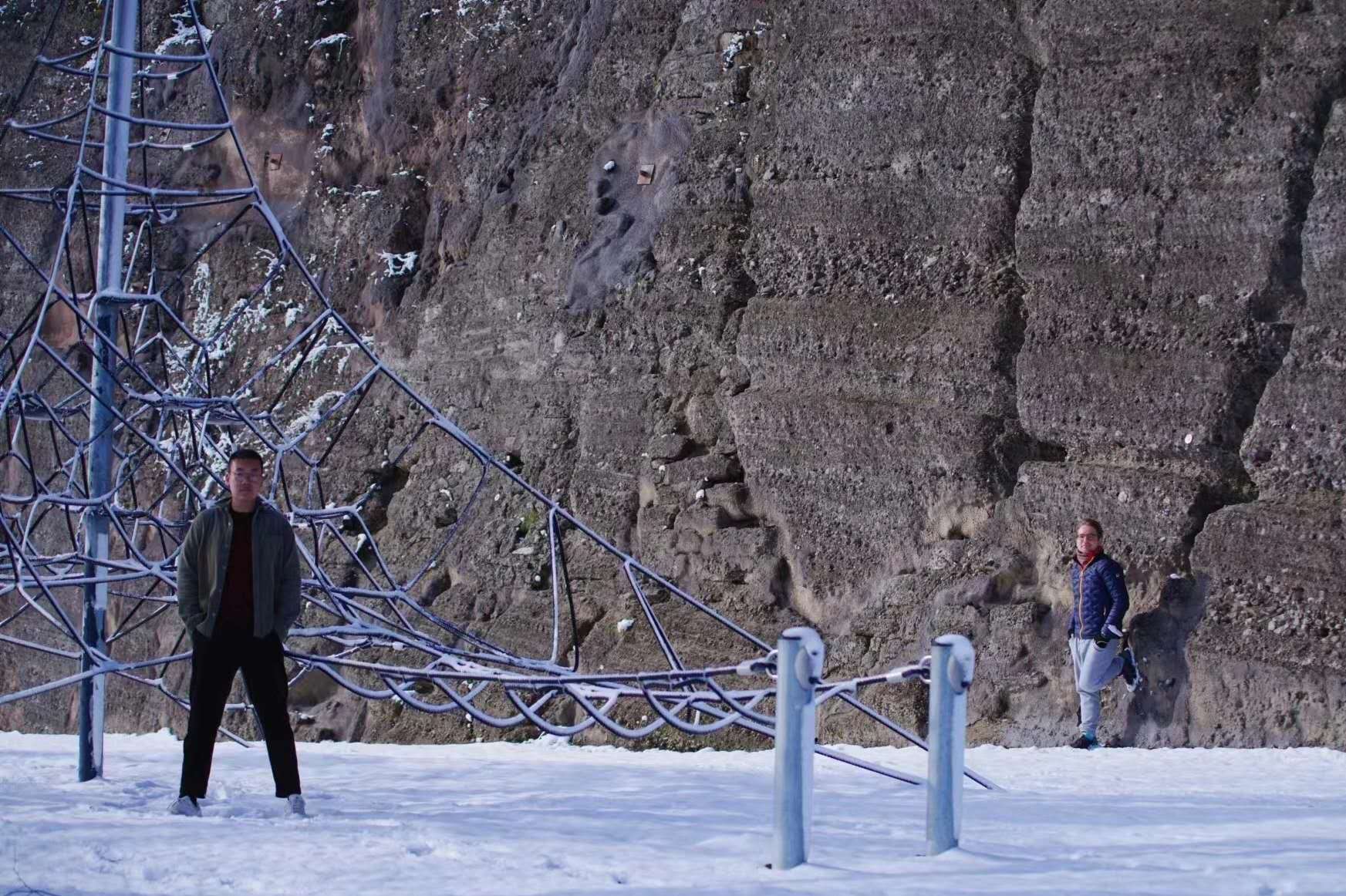
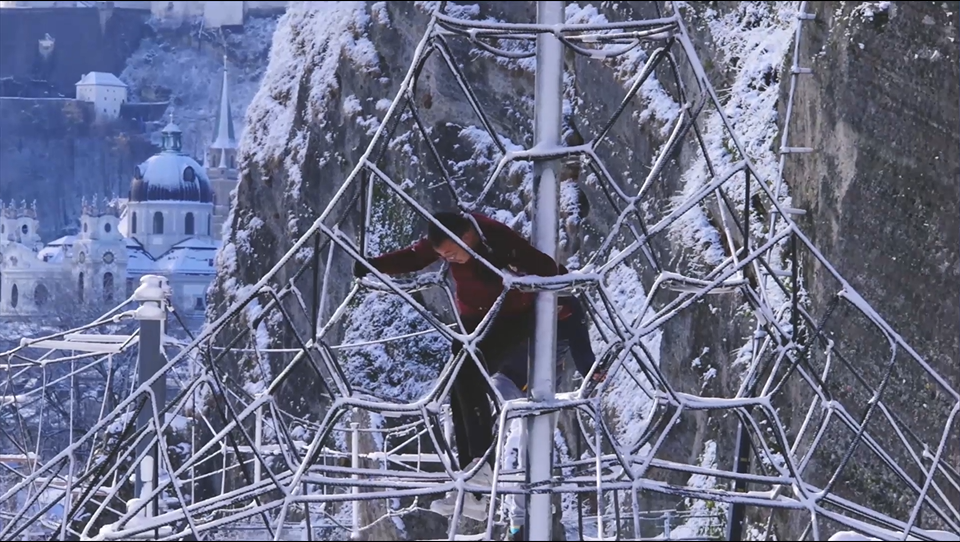 Part 5: "Escape from the Climbing Net" (Behavioral Constraints and Resistance)